
Reviewed · STOCKHOLM TOURS
From Stockholm: Viking Culture Guided Tour with Transfer
A thousand-year-old grave field, a 150-meter Viking causeway, and the old town of Sigtuna make this more than a quick look at rune stones. You leave Stockholm’s city streets and see the countryside where early Swedish society took shape.
I like the small-group minivan format, which keeps the day practical and lets the guide explain each site without turning the outing into a lecture from a bus microphone. I also like the mix of archaeology and scenery: Broby bro and Jarlabanki’s Causeway give you Viking-era remains, while Sigtuna adds wooden houses, church ruins, and views across the bay.
The main drawback is that lunch is not included, and six hours passes quickly. You get a useful introduction rather than a complete study of Viking Sweden. Some stops also involve lightly uneven ground, so good walking shoes matter.
Key points to know before booking
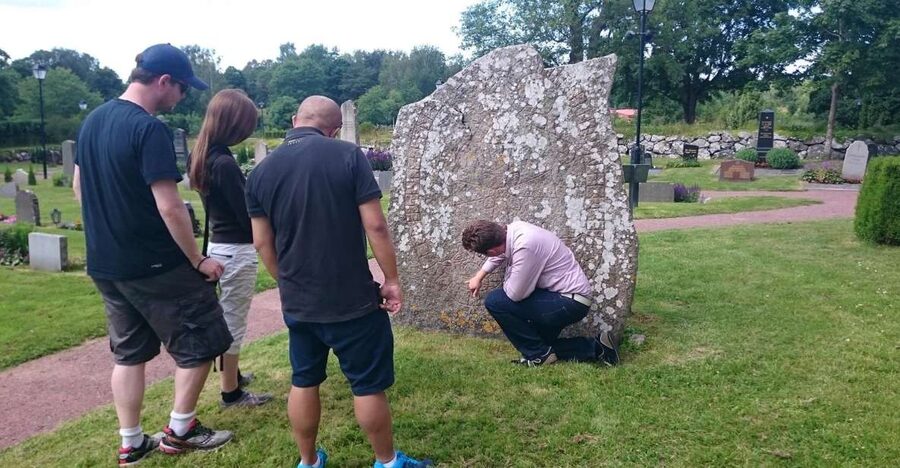
- See real Viking-era remains: Visit burial grounds, rune stones, an ancient bridge, and a preserved council site in their original settings.
- Meet Estrid at Broby bro: Learn how archaeologists identified a 60-year-old Viking woman from her skeleton and burial setting.
- Walk Jarlabanki’s 150-meter causeway: Hear how roads, bridges, power, and communication worked in 11th-century Sweden.
- Spend time in Sigtuna: Walk the oldest still-existing town in Sweden, with wooden buildings, church ruins, and Sigtuna Bay.
- Rely on an English-speaking local guide: Guides such as Olof, Gabriel, Eric, Calle, Charlotte, Nadia, and Quentin have led this experience.
- Plan for your own lunch: The schedule allows time to eat in Sigtuna, and vegetarian dishes are available at the restaurant.
Leaving Stockholm for Viking country
The tour begins with pickup from a centrally located hotel, a harbor, or Stockholm Central Station. Pickup can begin up to an hour before the stated start time, so keep your phone nearby and allow some flexibility. Traffic, especially during morning rush hour, can affect the exact timing.
You ride in a minivan rather than a large coach. That matters here because the tour visits countryside sites that are not presented as major museum attractions. The trip is about moving between several modest places, listening carefully, and getting a sense of how the pieces fit together.
I would choose this tour early in a Stockholm stay if I wanted context for Sweden beyond the capital. You see fields, roads, water, and small communities while your guide connects them to old burial customs, trade, leadership, and religious change.
The countryside is part of the experience, not just scenery outside the window. Viking culture did not happen in a separate theme park. It was tied to farms, waterways, roads, family groups, and local power. The minivan ride helps you see that setting.
The tour is conducted in English. Names of guides who have led the experience include Olof, Gustav, Angelina, Calle, Bianca, Gabriel, Eric, Charlotte, Nadia, Jonathan, Lena-Marie, and Quentin. The individual style will vary, but the strongest part of the outing depends on how well your guide brings the stones and earthworks to life.
More Private Drivers in Stockholm
- Arlanda Airport Bus Transfer Departure
★ 3.5 · 497 reviews - Skavsta Airport Bus Transfer
★ 3.5 · 106 reviews - Stockholm- Private transfer to/from Arlanda Airport and city
★ 4.5 · 39 reviews
Broby bro and the story of Estrid
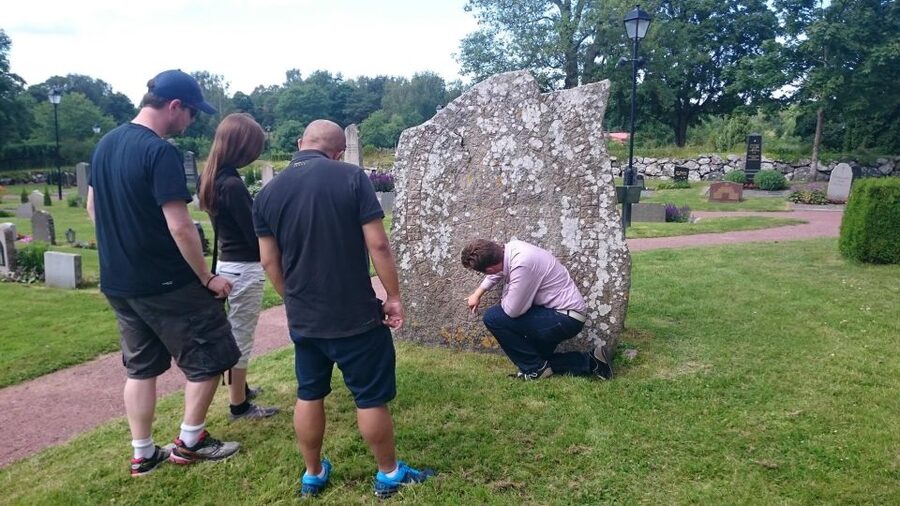
The first major stop is Broby bro, a Viking and Iron Age grave field where people were buried more than 1,000 years ago. This is not a polished indoor attraction. You walk through an open site and consider how graves, stones, and the surrounding ground reveal the customs of people who left few written records.
Your guide explains pagan burial traditions and the ideas surrounding death and mythology. You learn what a burial could tell archaeologists about a person’s place in society, religious beliefs, and the transition from older traditions to Christianity.
The most personal story here is Estrid. In 1995, archaeologists found the skeleton of a woman about 60 years old in the Christian part of the grave field. The Stockholm County Museum used the evidence to identify her and reconstruct parts of her life.
Estrid gives the site a human scale. It is easy to think of the Viking Age as a collection of ships, weapons, and dramatic raids. A grave field reminds you that most people lived ordinary lives, raised families, worked, aged, and cared for their dead.
You should expect some walking on lightly rugged ground. The tour does not involve a large amount of walking, but comfortable shoes are still important. In wet or cold weather, the open site will feel much less forgiving than a museum.
Jarlabanki’s Causeway and the politics of showing off
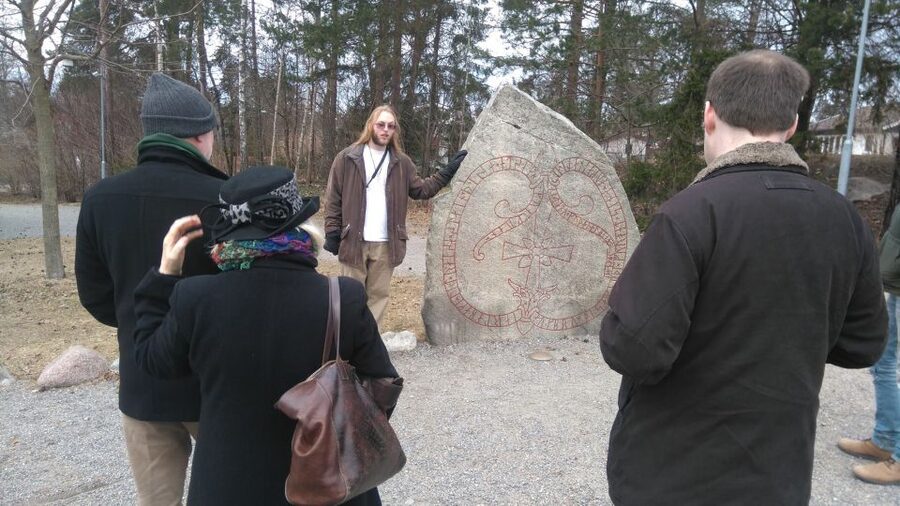
Next comes Jarlabanki’s Causeway, an 11th-century Viking bridge built by Earl Jarlabanki. The causeway is about 150 meters long, giving you a clear sense of the scale of the construction and the effort needed to improve travel across the area.
The story is not just about engineering. Jarlabanki is presented as an arrogant man who wanted people to notice his power. That makes the bridge a useful lesson in Viking politics. A public building project could help people move, but it could also advertise who controlled the land and had the resources to shape it.
Your guide explains how bridges and roads supported communication in that era. The point is practical: communities needed reliable routes to connect farms, settlements, meeting places, and political centers. A causeway was infrastructure, but it also sent a message.
This is one of the places where a strong guide makes a major difference. Gabriel, Eric, Calle, and other guides have been praised for answering questions and linking Viking topics with the wider story of Sweden. The best explanations move beyond the familiar image of Vikings as raiders and show how authority worked at home.
Bring your camera, but pay attention to where the guide stands. One useful improvement would be for the guide to step aside after explaining a feature, since the person speaking can sometimes block photographs of rune stones or buildings. You can politely ask for a clear view before the group moves on.
The ancient council site
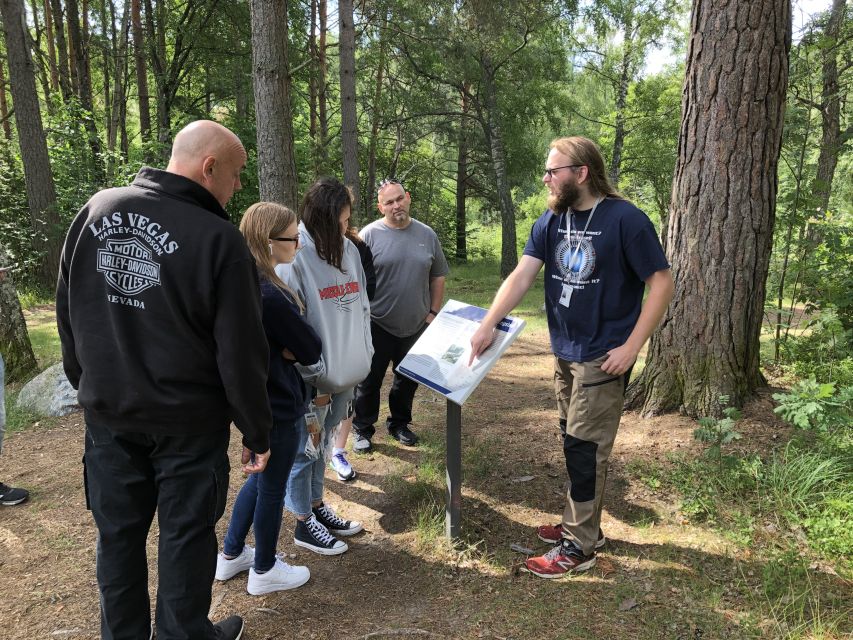
The tour also visits a Viking council site preserved in its original location for roughly 1,000 years. This stop helps explain how Viking society was organized and how decisions were made.
A council site is valuable because it shifts the focus from individual heroes to community life. Your guide discusses Viking culture, social structure, and the mentality of the period, including the way people ruled and settled matters.
You will not find a full building waiting here. The power of the place comes from its setting and the explanation that gives it meaning. Without a guide, it could be easy to walk past and see only grass, stones, or an ordinary patch of countryside.
That is why I would not choose this outing simply for independent sightseeing. The sites are scattered, and several need interpretation. The guide is not an optional extra. The guide is the thread that joins the burial field, bridge, council site, and Sigtuna together.
Quentin, a French guide, has adapted the route around bad weather and helped with drop-offs in central Stockholm. That kind of flexibility can be useful, though you should still expect approximate times rather than a clockwork schedule.
More viking history days
- Stockholm: The Viking Museum Exhibition and Viking Ride
★ 4.5 · 667 reviews - Entrance ticket to The Viking Museum
★ 4.0 · 301 reviews - Viking History, Runes & Countryside 9h Tour to Sigtuna & Uppsala
★ 4.5 · 283 reviews - Viking History and Swedish Countryside Tour to Sigtuna & Uppsala
★ 4.5 · 162 reviews
Sigtuna, Sweden’s oldest surviving town
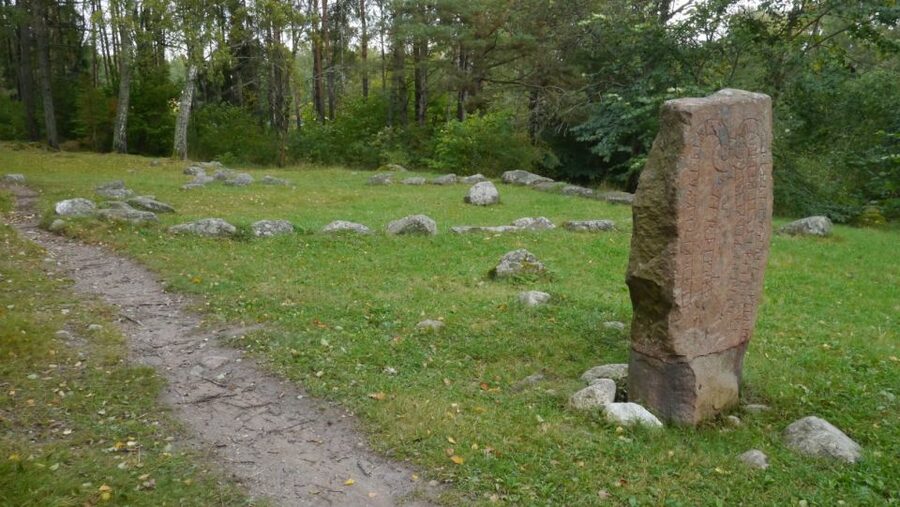
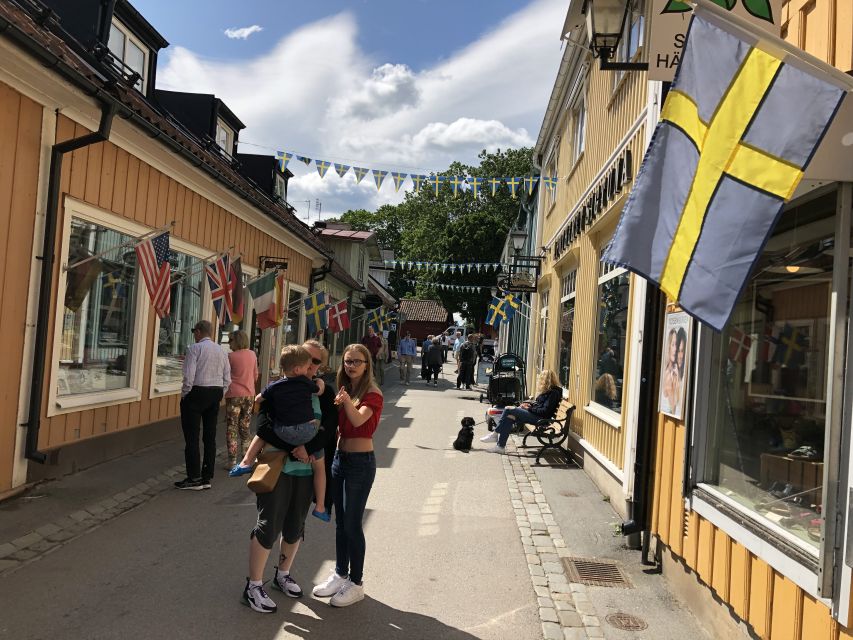
The main destination is Sigtuna, a small town of about 8,000 inhabitants and the oldest still-existing town in Sweden. After the quieter countryside sites, Sigtuna gives you streets, buildings, water views, and a more obvious sense of a living historic town.
The guided walk lasts about 45 minutes. You see Sigtuna Bay, streets lined with 18th-century wooden houses, and the ruins of a 12th-century Romanesque church. The town is easy to enjoy at a slower pace, so this portion provides a welcome change from standing beside archaeological remains while listening to an explanation.
Sigtuna is also where you have time for lunch. Lunch is not part of the $193 price, so budget for a meal separately. A restaurant offers vegetarian dishes, and guides can point you toward a suitable place. One practical approach is to ask for a recommendation early, then use the free time efficiently.
The town can feel more tourist-oriented than the burial fields and countryside stops. That is not necessarily a flaw. You get a better chance to walk independently, find food, take photographs, and enjoy the waterfront. If you want a quieter view, walk down toward the lake after the guided portion.
Sigtuna is especially useful for people who want more than Viking archaeology. Its wooden houses and church ruins show later chapters of Swedish history, while the town’s setting helps you picture how settlements developed around roads and water.
What the guide adds to the day
The strongest praise for this outing centers on the guides. Olof has been singled out for explaining rune stones and Viking traditions while allowing time to explore. Gabriel has been described as funny, clear, and generous with question time. Eric has connected Viking history with Sweden’s later and modern story.
Charlotte, Nadia, Jonathan, Lena-Marie, Calle, Bianca, and Quentin have also led groups. You should expect a conversational format rather than a scripted audio tour. Ask questions as you go, especially at the rune stones, grave field, and council site, where a short answer can open up a wider subject.
The guides also cover Swedish culture beyond the Viking period. That makes the tour a good choice if your interest is Sweden as a whole, not only ships and sagas.
Still, guide quality can vary from one departure to another. The experience is built around live interpretation, so your enjoyment will depend partly on the person leading your group and how much you like listening at outdoor sites.
Price, timing, and what you get
At $193 per person, this is not a budget sightseeing bus. The price includes hotel, harbor, or Central Station pickup and drop-off, transportation during the activity, and the driver-guide. Lunch is extra.
I think the price can make sense if you value convenience. Reaching several countryside sites and Sigtuna independently would require planning transport, finding each location, and arranging your own explanations. Here, you can see multiple places in six hours and return to central Stockholm without managing the route yourself.
The value is less convincing if you only want to visit Sigtuna. In that case, a separate trip may give you more time in town. This excursion earns its price by combining Sigtuna with sites that are harder to appreciate without transport and an expert explanation.
The published duration is six hours, though individual departures can run differently because of pickup arrangements and traffic. The day begins at a stated start time, but pickup may occur 0 to 60 minutes before it. Build a little breathing room into your plans afterward.
Free cancellation is available up to 24 hours before departure, and you can reserve now and pay later. The tour is not suitable for children under six or adults over 90, according to the provided conditions.
Weather, clothing, and the walking involved
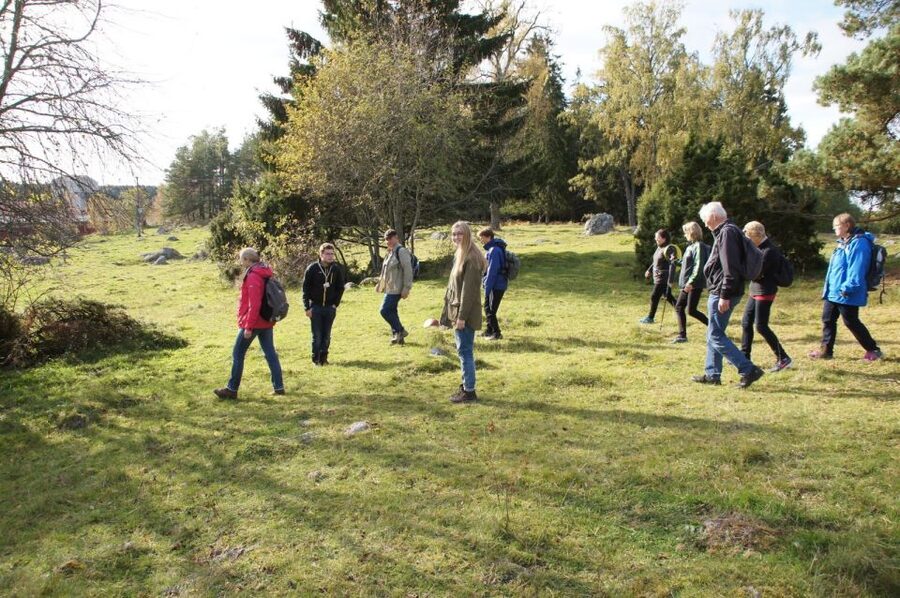
Stockholm weather can change the feel of this outing. Much of the experience takes place outdoors, and winters can be harsh, with temperatures often around 0 C, or 32 F.
Wear layers and choose clothing for the forecast rather than the calendar. Good walking shoes are more important than dressy clothes because the route includes lightly rugged terrain at the archaeological sites.
You will not be walking all day. The schedule alternates between minivan rides, short walks, explanations, and time in Sigtuna. Even so, the grave field and outdoor historic sites offer little shelter, so rain or cold can affect your comfort.
Bad weather does not always ruin the day. Guides can adjust the timing or adapt parts of the route, as Quentin did for one departure. But you should come prepared rather than count on changes.
Who will enjoy this Viking tour?
I would recommend it to you if you want a guided introduction to Viking society and prefer real sites to a staged attraction. It works well for first-time visitors who want to see the Swedish countryside without giving up a full day in Stockholm.
It also suits anyone interested in archaeology, old roads, burial customs, early government, or the shift from pagan traditions to Christianity. The focus is wider than famous Viking warriors.
Families with children old enough to follow a walking explanation may enjoy the stories, though the age restriction rules out children under six. Older visitors should consider the outdoor footing and the stated upper age limit of 90.
You may want another plan if you dislike fixed schedules, outdoor stops in uncertain weather, or listening to extended explanations. Sigtuna alone offers more freedom, while this tour asks you to move as a group between several sites.
Should you book it?
Book this tour if you want the easiest way to connect Stockholm with Viking-era sites outside the city. The burial field at Broby bro, Estrid’s story, Jarlabanki’s causeway, the council site, and Sigtuna create a well-shaped day with plenty of historical context.
I would be especially inclined to book it if this is your only chance to see rural Sweden. Just remember that lunch costs extra, pickup times are approximate, and the experience depends heavily on your guide. Wear proper shoes, prepare for the weather, and ask questions. Done that way, the $193 price buys more than transport: it gives you a clear sense of how Viking life was tied to ordinary places across Sweden.
FAQ
How long does the Viking culture tour last?
The activity lasts six hours. Starting times vary, so you need to check availability for the departure that suits your schedule.
Where can pickup and drop-off take place?
Pickup and drop-off are available at hotels, cruise or harbor locations, and Stockholm Central Station. The tour can also drop you anywhere in central Stockholm.
Is transportation included?
Yes. Transportation during the activity is included, along with the driver-guide and hotel, harbor, or Central Station pickup and drop-off.
Is the tour conducted in English?
Yes. The live tour guide speaks English.
Is lunch included?
No. Lunch is not included in the price. You have time to eat in Sigtuna, and vegetarian dishes are available at the restaurant.
What should I bring?
Bring comfortable walking shoes and clothing suited to the weather. Some stops include lightly rugged terrain, and Stockholm winters can be cold.
Can I cancel or pay later?
You can cancel up to 24 hours before the tour for a full refund. You can also reserve your place and pay later.
Just added around Stockholm
- Beautiful Stockholm Small Group Walking Tour★ 5.0 · 3 reviews
- ROYAL Castle Skokloster and Viking Sigtuna (private tour)★ 4.5 · 3 reviews
- Private Golden Hour Photo Walk in Stockholm★ 5.0 · 3 reviews
- Stockholm Port to Stockholm Arlanda Airport (ARN) – Departure Private Transfer★ 3.5 · 3 reviews
- Stockholm Ghost Hunt: Self-Guided Tour and Puzzle Adventure★ 4.5 · 3 reviews
- Swedish Beer Tasting Tour in Stockholm Old Town Pubs★ 5.0 · 3 reviews
- Private Photography workshop in Stockholm★ 5.0 · 3 reviews
- Private blood, ghosts and folklore Old Town 2h Stockholm tour★ 4.0 · 3 reviews
Stockholm Tours, compared.

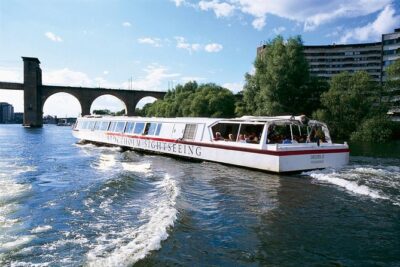
Stockholm: City Archipelago Sightseeing Cruise with Guide
Read our review →
Stockholm: Skansen Open-Air Museum Admission Ticket
Read our review →
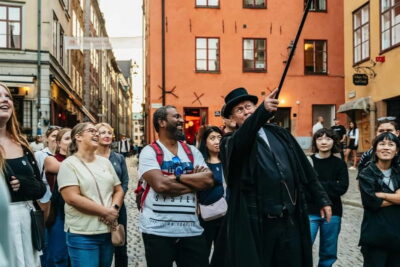


The Original Stockholm Ghost Walk and Historical Tour – Gamla Stan
Read our review →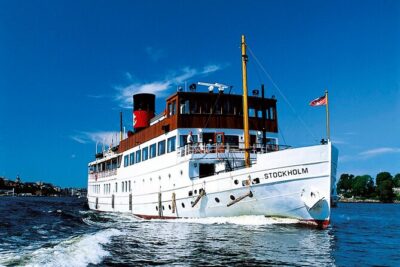
Browse the lists this tour appears in