
Reviewed · STOCKHOLM TOURS
Stockholm: Old Town Guided Walking Tour (English / Deutsch)
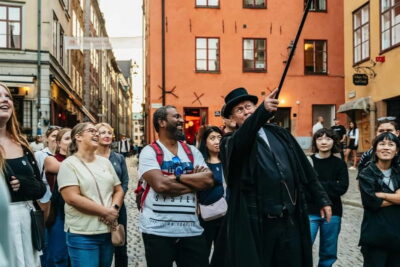
The most interesting part of this Stockholm walking tour is how quickly Gamla Stan shifts from royal grandeur to cramped medieval lanes. In two hours, you move from Riddarholmen Church and the Royal Palace to the narrow Mårten Trotzigs Gränd, while your guide connects the stones underfoot with stories of German merchants, executions, royal politics, and the Stockholm Blood Bath.
I like the use of historic pictures at each stop, since they give you a clearer sense of how these streets once looked and how people lived here. I also like the relaxed pace, friendly guides such as Sophie and Andre, and the small Swedish fika at the end. The main drawback is that the tour stays outside the sights, so you will not enter the Nobel Prize Museum, Royal Palace, churches, or cathedral.
Key points to know before you book
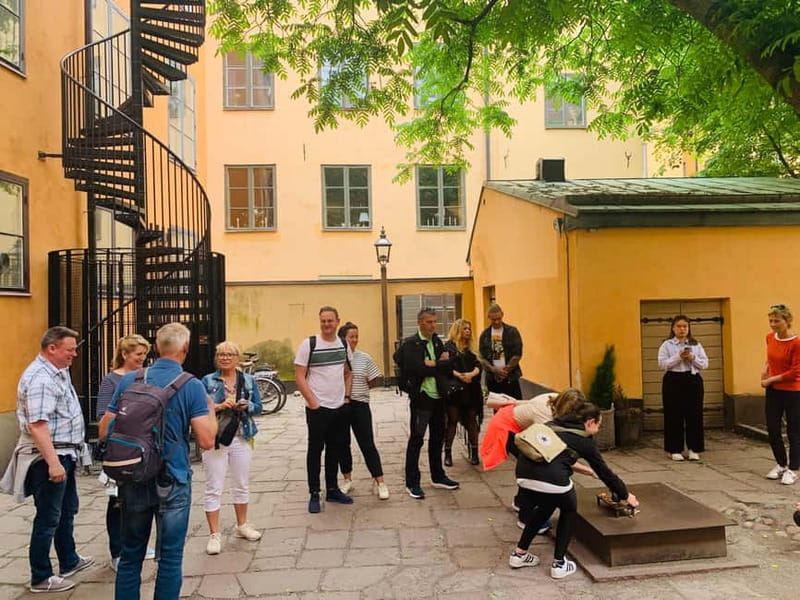
- Two hours on foot: A compact introduction to Gamla Stan, with frequent photo stops and short walks between them.
- Historic pictures at every stop: These help turn old stories into something you can picture while standing in the modern street.
- Major sights and narrow lanes: You see the Royal Palace, Stortorget, the Nobel Prize Museum, Riddarholmen, and Mårten Trotzigs Gränd.
- A small fika included: The tour finishes with a Swedish sweet snack, a pleasant local touch rather than a full meal.
- Practical local advice afterward: Your guide sends restaurant, fika, viewpoint, island, and budget suggestions by WhatsApp.
- Outdoor sightseeing only: Bring good shoes and weather-ready clothing. This tour is not suitable for wheelchair users.
Why Gamla Stan works so well on foot
Gamla Stan is compact enough to explore by walking, but it has more layers than you can take in by simply following a map. The streets run through the old center of Stockholm, where grand public buildings sit close to small lanes and quiet corners.
I like starting on Riddarholmen rather than dropping you straight into the busiest square. It gives the tour a calmer beginning and places you near some of Stockholm’s oldest-looking streets and buildings. From there, your guide can explain how the island and the main Old Town fit together before leading you into the tighter lanes.
The walking is not a strenuous hike, but you should expect cobblestones, uneven surfaces, and frequent stops. Comfortable shoes matter. The Scandinavian weather can change quickly, so a light rain layer and clothing suited to the forecast are sensible even on a mild morning.
The group size can be small, which makes it easier to hear the guide and ask questions. It also helps during stops in narrow lanes, where a large crowd would block the passage for everyone else.
More Walking Tours in Stockholm
- Stockholm: Ghost Walk and Historical Tour
★ 4.7 · 2,206 reviews - Walking Tour of Stockholm Old Town
★ 5.0 · 1,175 reviews - The Original Stockholm Ghost Walk and Historical Tour – Gamla Stan
★ 4.5 · 1,165 reviews
Riddarholmen and the first medieval lanes
The meeting point is by the statue of Birger Jarl on Birger Jarls Torg, on Riddarholmen. Look for a guide wearing a visible vest. The nearest subway stop is Gamla Stan, served by the green and red lines.
The first major stop is Riddarholmen, with about ten minutes set aside for walking and photographs. Riddarholmen Church is one of the tour’s key sights, even though the visit remains outside. The location helps frame the story of Stockholm as a royal and religious center rather than just a pretty old district.
The route then turns through Stora Gråmunkegränd and Ignatiigränd. These short lanes are useful early stops because they show the smaller scale of Gamla Stan. Instead of spending the whole tour in open squares, you get a feel for the narrow routes that shaped daily movement through the medieval town.
Your guide uses old photographs and other historic images at each stop. That is especially helpful here. A stone wall or narrow passage can be hard to read on its own, but an image of the same area in an earlier period gives the explanation a visible anchor.
Västerlånggatan and the everyday side of the Old Town
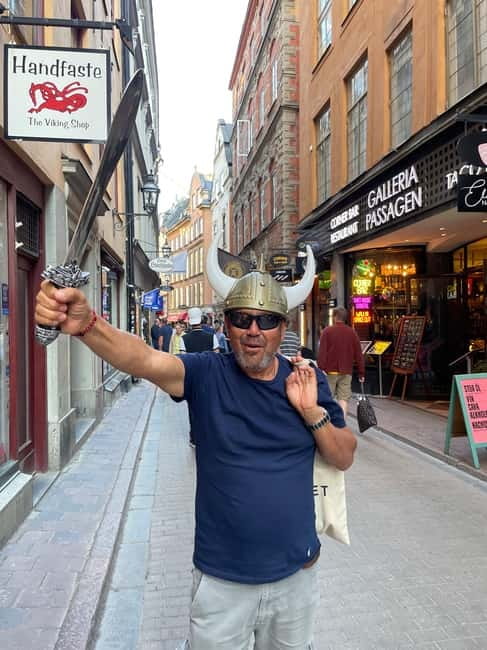
Västerlånggatan brings you onto one of the better-known streets in Gamla Stan. The route allows around ten minutes for walking and photographs before moving toward Svartmangatan.
This is where the tour can help you read the Old Town beyond its postcard views. You hear about who lived here, what life was like, and whether people still live in Gamla Stan today. Those questions matter because the district is not simply an open-air museum. Its lanes and buildings are part of a living part of Stockholm, even as shops, cafés, and sightseeing traffic shape the experience.
Svartmangatan offers another look at the old street pattern. The tour also brings in the role of German merchants and the Hanseatic League, along with the question of whether Gamla Stan was once a German colony. The guide does not just point out facades. The aim is to explain the people, trade, and political ties behind them.
You will also hear about old names connected with the darker side of the district, including Hell Street, the former ghetto, and where the executioner lived. These details give the tour some bite. Gamla Stan was not only a royal stage. It was also a crowded town with social divisions, punishment, work, and ordinary hardship.
Mårten Trotzigs Gränd, Stockholm’s tightest passage
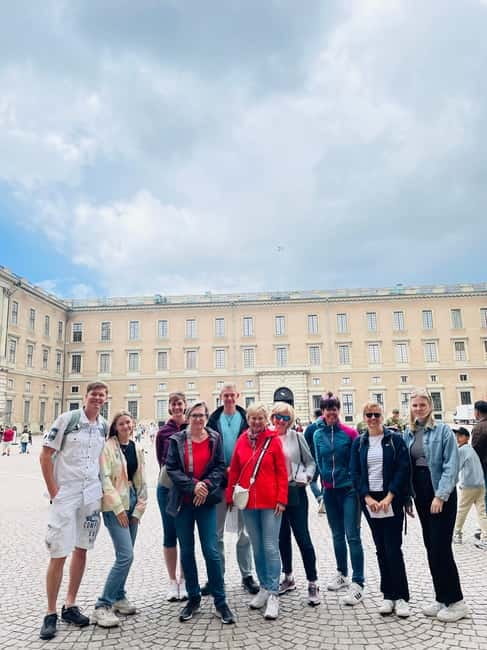
Mårten Trotzigs Gränd is one of the tour’s most memorable stops. It is known as Stockholm’s narrowest alley, and the five-minute photo stop gives you time to see how tightly the walls close in around the route.
This is a good example of why a walking tour can add value beyond a guidebook list. You might find the alley on your own, but the guide places it in the wider story of Gamla Stan’s street plan and past residents. The stop is short, so do not expect a long talk in the passage itself. The appeal is the physical scale, the quick explanation, and the chance to photograph a distinctly Stockholm corner.
The narrow passage also makes practical footwear important. Keep your bag close and be aware of other people trying to pass. The tour moves at a relaxed pace, but this is still a working public lane, not a private exhibit.
More old town walks in Stockholm
- Stockholm: Old Town Walking Tour with Local Guide
★ 4.7 · 719 reviews - Walking Tour of Stockholm’s Old Town, Gamla Stan
★ 5.0 · 451 reviews - Stockholm: Old Town Historical Walking Tour
★ 4.9 · 344 reviews - Old Town Tour of Stockholm
★ 4.0 · 289 reviews
German Church, Prästgatan, and Österlånggatan
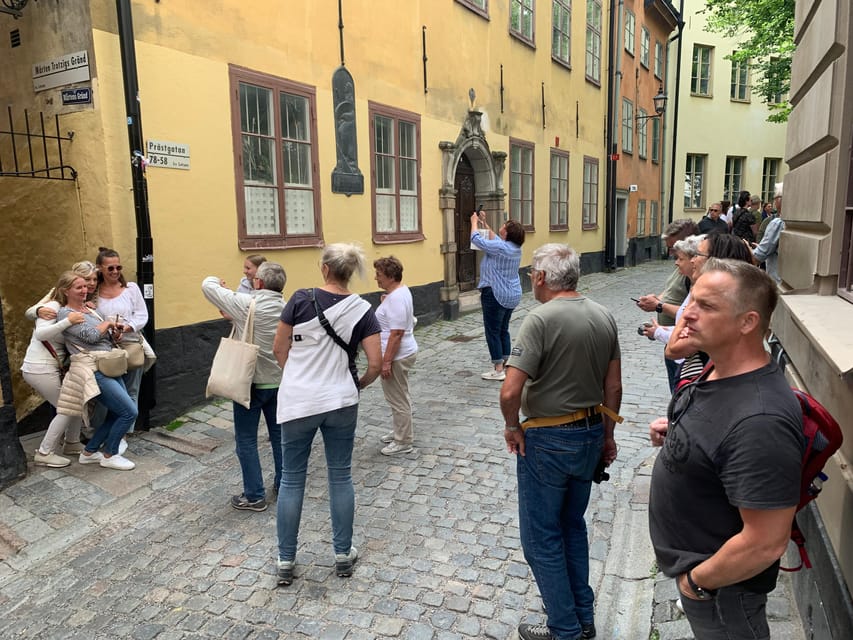
The German Church receives another ten-minute stop. Its presence points back to the strong German connection in Stockholm’s trading past. This is one of the places where the tour’s Nordic and Hanseatic themes come together.
From there, the route passes along Prästgatan and Österlånggatan. These streets offer a useful contrast with the narrower lanes. You continue to see how the Old Town was divided into different kinds of streets, buildings, and public spaces.
The route includes stories about the Stockholm Blood Bath, one of the major political episodes tied to the Old Town. You will also hear about Sweden’s relationship with its neighboring countries, including the long rivalry with Denmark. The tour takes a wider Nordic view without leaving Gamla Stan, which is useful if you are still getting oriented to Swedish history.
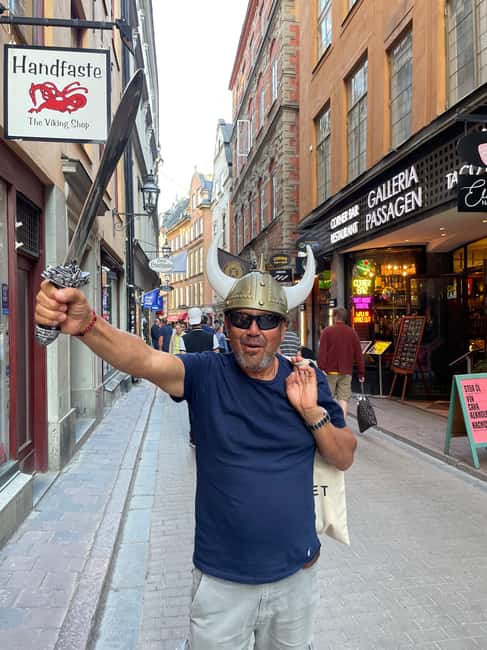
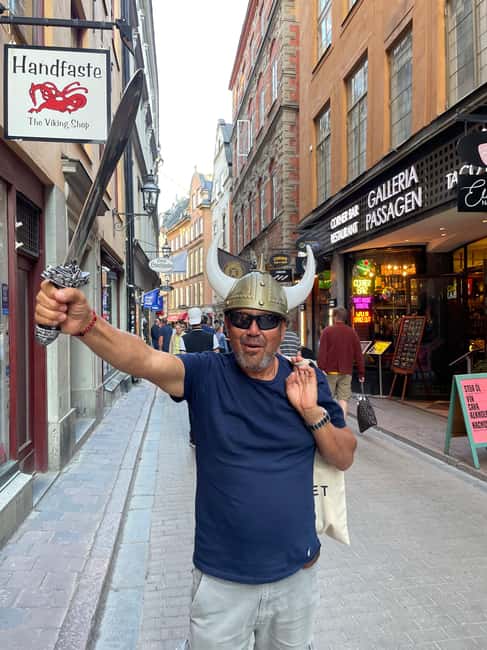
You may also hear the answer to a question many people bring to Stockholm: did Vikings live here? The tour uses that question to separate popular images of Scandinavian history from the specific story of medieval Stockholm. That kind of clarification is one of the better reasons to take the walk early in your stay.
Stortorget and the Nobel Prize Museum
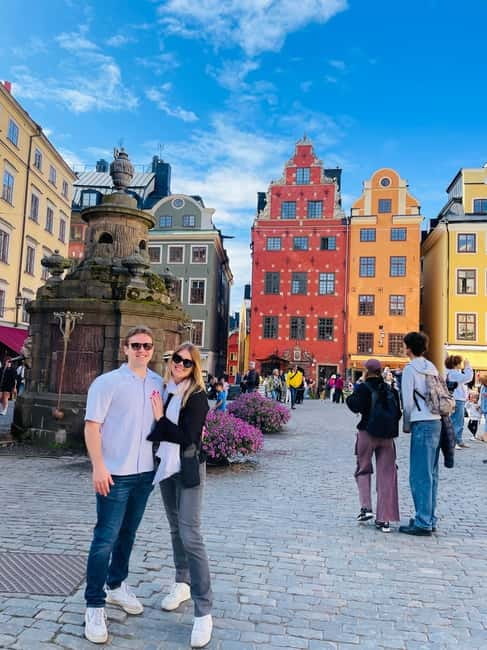
Stortorget is the visual center of many first visits to Gamla Stan. The colorful facades and compact square make it an easy place to photograph, but the guide adds the political history that gives the space weight.
The Stockholm Blood Bath is closely linked with this square, and the tour explains what happened there. This is not just a quick photo stop. The five minutes listed for Stortorget and the nearby Nobel Prize Museum are part of a larger sequence about power, punishment, public life, and Sweden’s place in Europe.
The Nobel Prize Museum is visited from the outside, so plan a separate visit if you want its exhibitions. The tour can help you locate it and understand how it fits into the square, but it does not include admission.
I find this arrangement sensible for a short orientation walk. You cover more ground and get a connected story rather than spending much of the two hours inside one museum. Still, if the Nobel Prize Museum or the Royal Palace is a top priority, you should set aside extra time and budget for those entrances.
Köpmangatan, the Iron Boy, and Stockholm Cathedral
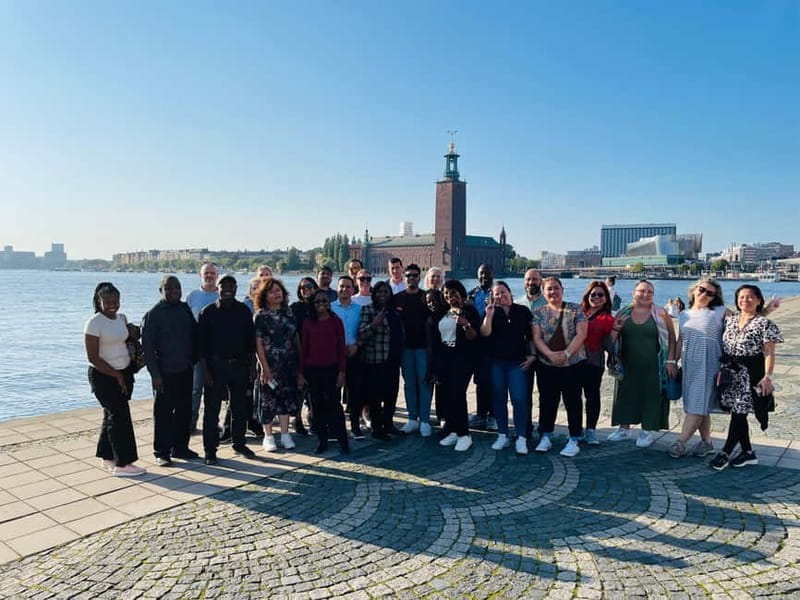
Köpmangatan leads to the small statue known as Iron Boy, or the Boy Who Watches the Moon. It is easy to miss if you are rushing through Gamla Stan, which makes it a worthwhile stop on a route designed to include both famous sights and small details.
The statue is a good pause in the tour. After stories about kings, merchants, and public punishment, this modest figure gives you a quieter point of interest. The stop lasts about five minutes, enough for a look and a photograph without slowing the entire walk.
The route then moves to the Royal Palace. You will see the palace from outside and hear about its role in Swedish royal life. The guide also addresses the unusual political story of how a French officer became Swedish king in the early 1800s. That question helps connect the palace to wider European politics, rather than treating it as an isolated building.
Stockholm Cathedral follows, also from the outside. The cathedral adds another major religious landmark to the route, balancing Riddarholmen Church and the German Church earlier in the walk. Each stop is brief, so the strength lies in the connections between them rather than in detailed architectural study.
The final stop and the Swedish fika
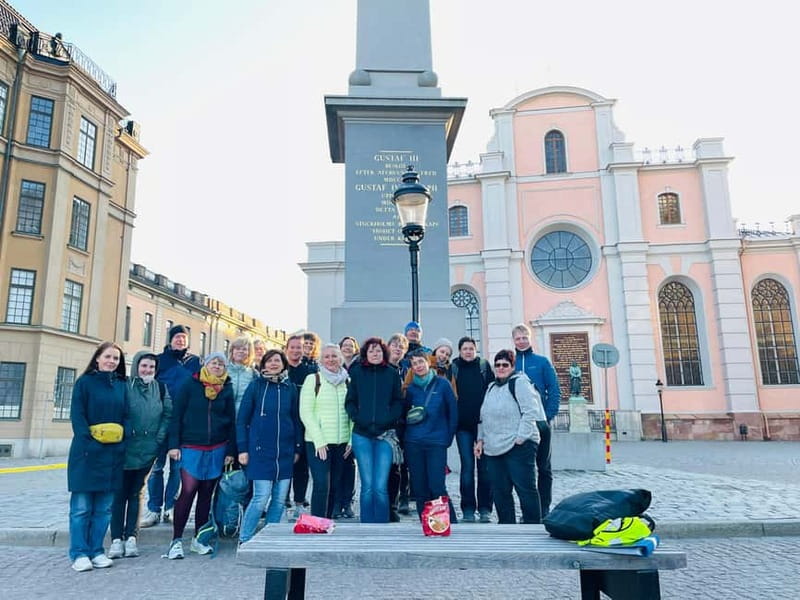
The itinerary lists Gustav III’s Obelisk as the final stop. The wider meeting information says the activity ends back at the meeting point, so it is worth checking the exact end arrangement when you book. Either way, you finish in the central Old Town area, close to the sights and streets covered during the walk.
A small fika, described as a Swedish sweet snack, is included at the last stop. This is not a full café break, but it is a pleasant way to finish a history walk and add a bit of Swedish food culture. If you want a proper coffee or meal, use the local recommendations sent afterward.
The WhatsApp follow-up is one of the more useful extras. Your guide sends suggestions for restaurants, fika places, viewpoints, archipelago islands, and lower-cost options around Stockholm. I would save the message before moving on, since these tips can help you plan the rest of your day without spending time searching from scratch.
What the $29 price gets you
At $29 per person, this tour is priced as a fairly modest introduction to Stockholm. You are paying for two hours with a local guide, a planned route, historical images, a small snack, and follow-up suggestions. You are not paying for museum entries, palace admission, or church interiors.
The value is strongest if you are visiting Stockholm for the first time and want a clear sense of place before exploring alone. A guide can explain why the lanes look the way they do, point out small features you might miss, and sort out the main historical threads in a short period.
The value is weaker if you already know Gamla Stan well or want long visits inside monuments. In that case, you may prefer to spend the same time entering the Royal Palace or Nobel Prize Museum on your own. The tour is best viewed as an orientation and storytelling walk, not a substitute for museum visits.
The free cancellation period is up to 24 hours before the tour for a full refund, and you can reserve now and pay later. Those terms are useful when your Stockholm schedule depends on weather or changing travel plans.
Who will enjoy this walk most
I would recommend this tour to first-time visitors, couples, families with older children, and anyone who likes history explained in plain language while walking through the places where it happened.
It also suits you if you want a manageable first activity after arriving in Stockholm. Two hours is long enough to build a useful mental map, but short enough to leave the rest of the day open.
The tour may not suit you if you need step-free access, since it is not suitable for wheelchair users. It is also not appropriate for unaccompanied minors or anyone who is intoxicated. Bring a charged smartphone, since the guide’s local recommendations arrive through WhatsApp.
The tour is offered in English and German according to the booking information. The wider description also refers to Spanish and Swedish arrangements, so if you need one of those languages, contact Stockholm Summer Tours before booking rather than assuming a regular departure will use it.
Final verdict: book it for orientation and stories
Book this Gamla Stan walking tour if you want a friendly, story-led introduction to Stockholm with plenty of recognizable sights and a few easy-to-miss corners. The use of historic images, the relaxed pace, and the practical recommendations afterward make it more useful than simply ticking off landmarks.
Skip it if you mainly want interior visits, a private guide, or an active tour covering the whole city. For most first visits, though, $29 is a reasonable price for two focused hours in the Old Town, especially if Sophie, Andre, or another personable local guide helps turn the streets into a readable story.
FAQ
How long does the Gamla Stan walking tour last?
The tour lasts two hours. Starting times vary, so check availability when booking.
Where does the tour start?
It starts at Birger Jarls Torg on Riddarholmen, beside the Birger Jarl statue. The guide wears a visible vest, and the nearest subway station is Gamla Stan on the green and red lines.
Where does the tour finish?
The itinerary lists Gustav III’s Obelisk as the final stop, while the meeting information says the activity ends back at the meeting point. Check the exact end location with Stockholm Summer Tours when booking.
Which languages are available?
The activity is offered with live guides in English and German. The wider tour information also lists Spanish and Swedish arrangements, especially for larger groups or special scheduling, so contact the provider to confirm.
Are entrance fees included?
No. The tour passes the sights from the outside, and entrance fees to the Royal Palace, Nobel Prize Museum, churches, and other attractions are not included.
What should I bring?
Bring comfortable shoes, weather-appropriate clothing, and a charged smartphone. Stockholm’s weather can change quickly.
Can wheelchair users join the tour?
No. The activity is listed as not suitable for wheelchair users.
Just added around Stockholm
- Beautiful Stockholm Small Group Walking Tour★ 5.0 · 3 reviews
- ROYAL Castle Skokloster and Viking Sigtuna (private tour)★ 4.5 · 3 reviews
- Private Golden Hour Photo Walk in Stockholm★ 5.0 · 3 reviews
- Stockholm Port to Stockholm Arlanda Airport (ARN) – Departure Private Transfer★ 3.5 · 3 reviews
- Stockholm Ghost Hunt: Self-Guided Tour and Puzzle Adventure★ 4.5 · 3 reviews
- Swedish Beer Tasting Tour in Stockholm Old Town Pubs★ 5.0 · 3 reviews
- Private Photography workshop in Stockholm★ 5.0 · 3 reviews
- Private blood, ghosts and folklore Old Town 2h Stockholm tour★ 4.0 · 3 reviews
Stockholm Tours, compared.

Stockholm: City Archipelago Sightseeing Cruise with Guide
Read our review →
Stockholm: Skansen Open-Air Museum Admission Ticket
Read our review →
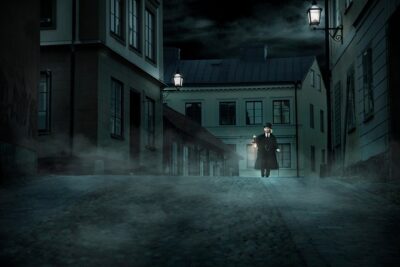
The Original Stockholm Ghost Walk and Historical Tour – Gamla Stan
Read our review →
Browse the lists this tour appears in