
Reviewed · STOCKHOLM TOURS
Stockholm: Old Town Walking Tour with Local Guide
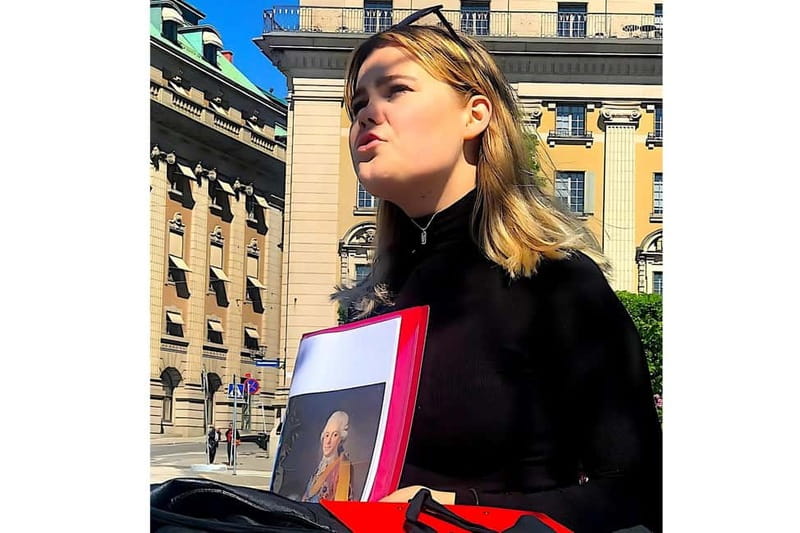
Stockholm’s Old Town is compact, handsome, and easy to miss in the usual rush from one sight to the next. This two-hour walk through Gamla Stan slows you down for the narrow lanes, odd little statues, grand squares, and old buildings that make the district more than a backdrop for photographs.
I like the low price and the route’s useful mix of famous sights and small details, from the tiny Iron Boy statue to the runestone and Mårten Trotzigs Gränd. I also like that guides such as Julia, Ben, Kenze, Antonia, and Michael have been praised for making the past clear, lively, and easy to follow. The main consideration is that this is a public tour, not a private outing, and the group may need to wait briefly for late arrivals.
Key points at a glance
- Gamla Stan in two hours: A brisk introduction to Stockholm’s medieval core, with time for short photo stops.
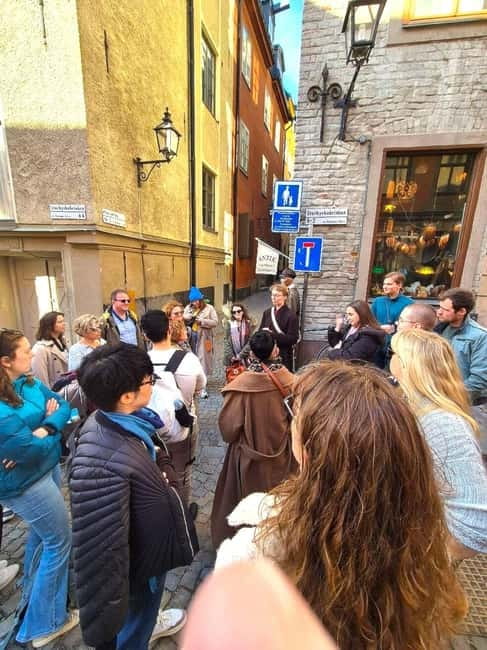
- A story-led route: Guides explain Swedish history and culture rather than simply naming buildings.
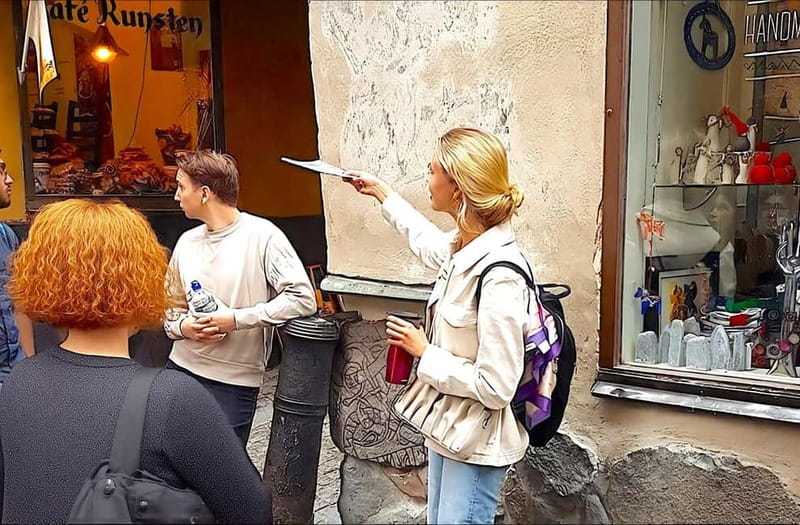
- Small details matter: You’ll pass Mårten Trotzigs Gränd, the Iron Boy statue, a runestone, and other easily missed sights.
- Riddarholmen views: The route reaches the Knights’ Islet for medieval architecture and waterfront views.
- Royal finale: The walk finishes at or around the imposing Royal Palace, depending on the exact operating arrangement.
- Good value at $15: A useful first activity for a short stay, especially if you want local orientation before exploring alone.
Starting outside Gamla Stan station
Your meeting point is outside the Gamla Stan subway station, at the exit leading toward the Old Town. This detail matters. The station has several nearby reference points, and the meeting instructions specifically tell you not to wait by Vapiano or Express Café.
Look for the guide holding a Nordic Freedom Tours sign. Arrive a few minutes early so you can identify the correct exit without a last-second search. The operator has been running tours since 2015, and the meeting instructions are unusually clear about the spot, which helps in a busy city center.
From Mälartorget 4, the guide leads you into the old district. Wear shoes with a firm sole. Gamla Stan’s streets are made for walking, and comfortable footwear will make the two hours much easier.
This is an English-language tour with a live guide. It is public, with a limited number of participants, so expect a shared pace and occasional questions from other people in the group. That format can make the walk more social, but it also means the guide cannot tailor every stop to one family or one special interest.
More Walking Tours in Stockholm
- Stockholm: Ghost Walk and Historical Tour
★ 4.7 · 2,206 reviews - Walking Tour of Stockholm Old Town
★ 5.0 · 1,175 reviews - The Original Stockholm Ghost Walk and Historical Tour – Gamla Stan
★ 4.5 · 1,165 reviews
Gamla Stan, where the city becomes a maze
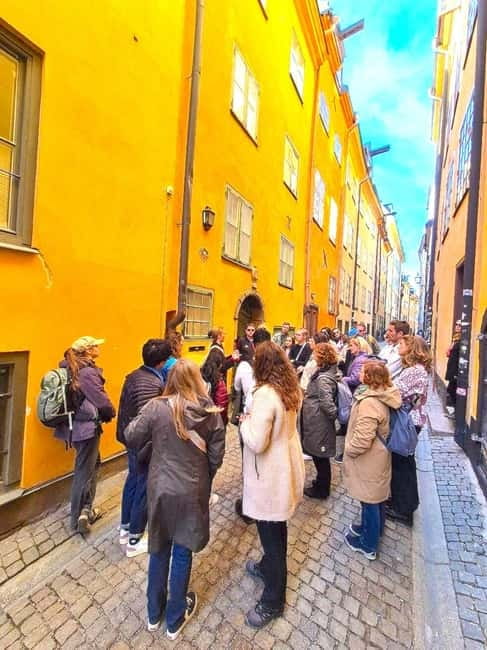
Gamla Stan is the heart of the route. Its appeal comes from the way the streets fold into one another, with tight passageways opening onto broad squares and older buildings standing beside active cafés, shops, churches, and museums.
A guide gives you a reason to stop and look up. Facades, doorways, street shapes, and small ornaments can pass unnoticed when you are trying to navigate. The strongest part of this experience is not simply reaching the landmarks. It is hearing why the streets look the way they do and how Swedish culture and city life connect to them.
The pace appears designed for a first look rather than a long architectural study. The route allows short walks and photo stops, with several locations receiving about ten minutes. You should have enough time to take pictures and listen, but not enough time for a full visit inside every building.
That is a fair trade at this price. You get a clear introduction, then you can return to the places that catch your attention.
German Church and the character of the old streets
The German Church, or Tyska kyrkan, is one of the route’s early sights. Its presence reflects Stockholm’s long ties with German-speaking merchants and communities. The guide uses the building as part of the wider story of the Old Town, rather than treating it as an isolated stop.
You will have a sightseeing pause of roughly ten minutes. Since the activity is primarily a walking tour, do not expect a long interior visit here. The value is in seeing the church within its urban setting and understanding how different communities shaped the district.
This is also where the walk begins to show its range. Gamla Stan is not only royal Stockholm. It is a place shaped by trade, religion, daily work, and ordinary residents. A good guide helps connect those layers without turning the outing into a lecture.
Mårten Trotzigs Gränd and Iron Boy
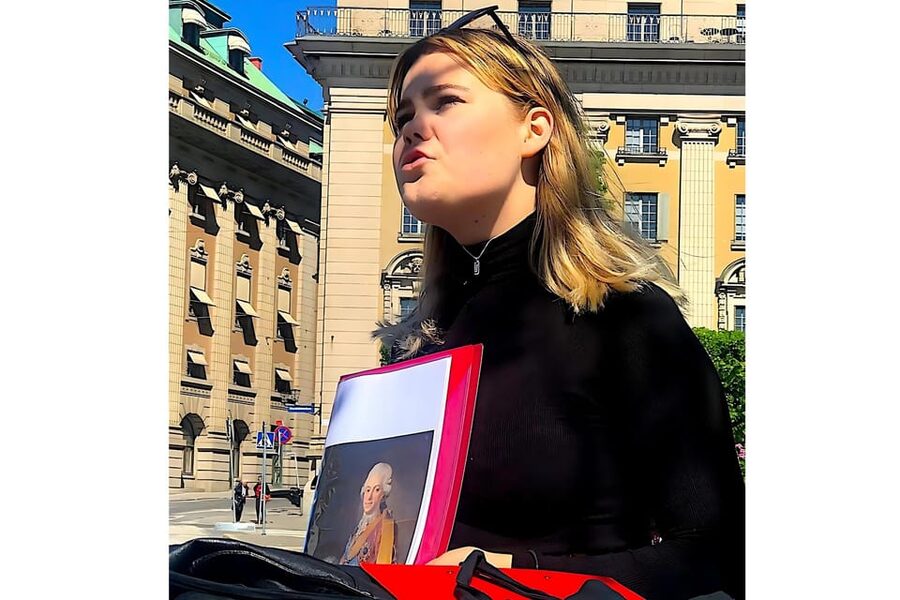
Mårten Trotzigs Gränd is one of Stockholm’s most recognizable narrow lanes. It is a natural photo stop, but the real pleasure is seeing how sharply the Old Town changes from open square to compressed passageway.
The lane is brief, so your guide will likely keep the stop moving. Take your photograph, listen for the story attached to the street, and stay aware of the group around you. Tight spaces are not ideal for spreading out.
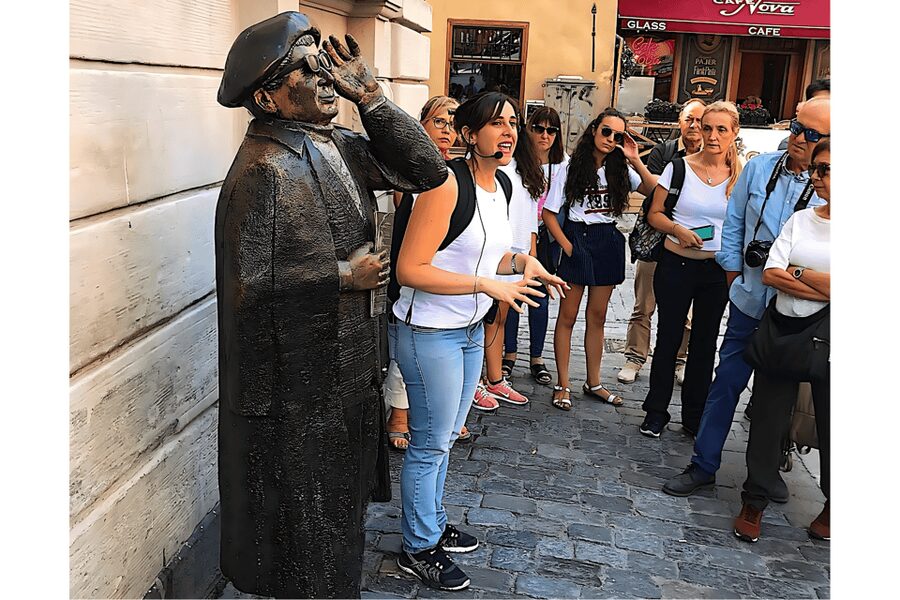
The Iron Boy, also called the Boy Watching the Moon, offers a different kind of stop. The little statue is easy to overlook, yet it has become one of the Old Town’s most memorable details. This is exactly the sort of place where a local guide earns the $15 price. Without someone pointing it out, you could walk past it entirely.
Several guides have been praised for sharing small secrets and unusual facts about the district. That strength fits this route well. The major buildings are easy to find on a map. The tiny statue and narrow lane are where a guided walk adds more value.
More old town walks in Stockholm
- Walking Tour of Stockholm’s Old Town, Gamla Stan
★ 5.0 · 451 reviews - Stockholm: Old Town Historical Walking Tour
★ 4.9 · 344 reviews - Old Town Tour of Stockholm
★ 4.0 · 289 reviews - Stockholm: Old Town Guided Walking Tour (English / Deutsch)
★ 4.7 · 284 reviews
Royal Palace and Stockholm Cathedral
The Royal Palace gives the route a grand change of scale. You approach the official residence of the Swedish royal family after walking through much tighter medieval streets, so the open space and imposing facade make a strong impression.
The itinerary lists a photo stop and a pass-by here. You should think of this as an exterior introduction, not a palace tour. If you want to see the interior, royal apartments, or museum collections, you would need separate time and admission.
Stockholm Cathedral, also known as Storkyrkan, is close to the palace and adds an important religious landmark to the route. The stop includes sightseeing and walking, with time for photographs. Its position beside the royal center helps you see how political and religious power were concentrated in this part of the city.
The guide’s role is particularly useful here. A building can look impressive without telling you why it matters. The guides on this tour are praised for explaining facts as stories, adding humor, and answering questions calmly. That approach keeps the palace and cathedral from becoming a string of names.
Nobel Museum, runestone, and the House of Nobility
The Nobel Museum appears as a sightseeing pass-by rather than a full museum visit. It is a useful landmark in the route, especially if you want to return later for a longer look. The two-hour schedule does not leave room to explore its exhibitions in detail.
Next comes a runestone, where the tour includes a short guided stop. This is another appealing detail because it breaks up the grand royal and religious sights. A runestone links the city to an older Scandinavian past and gives the guide a chance to explain a small object that might otherwise seem easy to ignore.
The House of Nobility is a photo stop and pass-by. Its architecture and former civic role add another piece to the story of Stockholm’s ruling and social institutions. You will not get a full building visit here, but the exterior fits the route’s wider theme: the Old Town is a record of many kinds of power, not just the monarchy.
I like this middle section because it keeps the walk varied. You move from a major museum to an ancient stone, then to a stately civic building. The stops are short, but together they prevent the tour from feeling like a palace-only circuit.
Riddarholmen, the Knights’ Islet
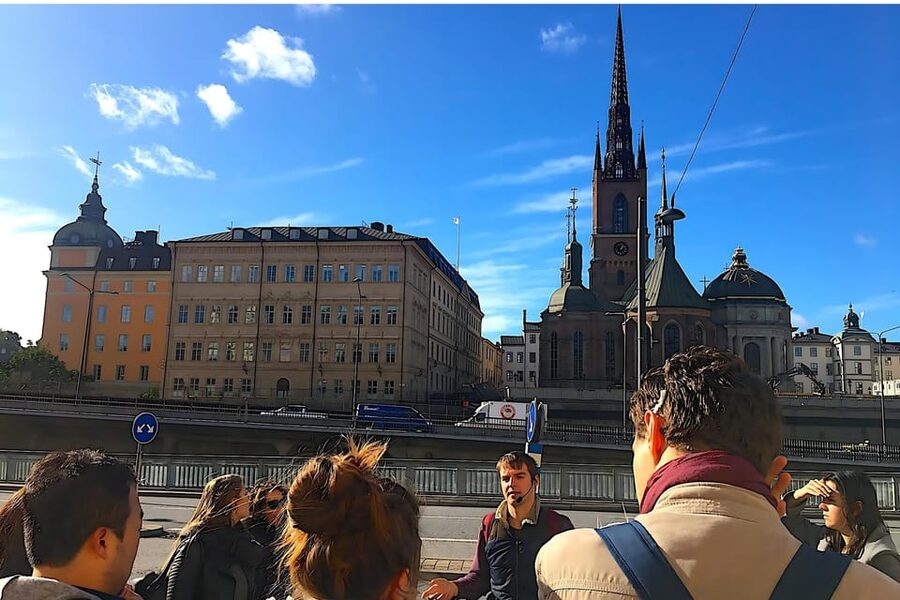
The walk then crosses to Riddarholmen, known as the Knights’ Islet. This is one of the most rewarding parts of the route because it shifts your view from enclosed streets to waterfront panoramas and medieval architecture.
Riddarholmen Church receives a visit and guided sightseeing stop. The church is closely tied to Sweden’s royal past, and its position gives the area a distinct ceremonial feel. The tour does not promise a long interior examination, but you have a chance to see the building and hear why it matters.
The wider Riddarholmen stop allows more photographs and a look across the water. Have your camera ready, but also listen to the guide’s explanation of how the islet relates to the rest of Stockholm. This is a useful reminder that the city is built around water, with bridges and shorelines shaping the way its historic districts connect.
For me, Riddarholmen gives the tour its best sense of place. Gamla Stan’s lanes show you the city at street level. Riddarholmen lets you step back and see the old center in relation to the water.
The Royal Palace finish
The route is described as finishing outside the Royal Palace. That makes sense: after the smaller streets, churches, museum, runestone, noble residence, and Riddarholmen, the palace provides a clear final landmark.
The supplied meeting information also says the activity ends back at the meeting point, so check the exact end arrangement when you reserve. The palace and Gamla Stan station are close enough to fit naturally into the same central area, but the precise finish can matter if you have a train, meal reservation, or museum entry to catch.
Do not plan a rushed connection immediately after the walk. A guide may need to answer questions, manage the group, or adjust slightly for street conditions and late arrivals.
What the guides add to the walk

The strongest pattern in the guide feedback is clear storytelling. Julia is praised for being interactive and for giving practical recommendations. Ben is described as engaging even on a cold day, with a good balance of useful information and humor. Kenze is praised for keeping a multi-generation group at a comfortable pace.
Antonia is noted for clear English and for taking the group to parts of the Old Town that are easy to miss. Michael is praised for explaining both the district’s history and its peculiar details. Other named guides, including Christine, Ketty, Mikael, Catarina, Andres, and Katherine, are described as friendly, patient, enthusiastic, or strong storytellers.
Guide quality can vary from one departure to another, as it does with any public walking tour. Still, the repeated emphasis on clear explanations, questions, personal recommendations, and a relaxed pace is a good sign for this kind of experience.
One useful point comes from the practical side of the walk: a guide may wait briefly for people who are late. If you arrive on time, that can be frustrating, particularly in cold weather. Be punctual, dress for the conditions, and understand that the group format sometimes requires a little patience.
Is $15 a good value?
At $15 per person, this is inexpensive for a two-hour guided introduction in central Stockholm. The price is especially fair if you use the walk as an orientation activity on your first day.
You are paying for a live English-speaking guide, a planned route, local stories, and help noticing small details. You are not paying for palace admission, extended church visits, museum entry, food, or private attention. That distinction keeps expectations realistic.
I would not choose this tour if you want a slow photographic walk with unlimited time at each landmark. The route covers many places in two hours, so the experience has a purposeful rhythm. For a first visit, that efficiency is useful. For a return visit, it depends on how much of Gamla Stan you already know.
The reserve-now-and-pay-later option and free cancellation up to 24 hours before the activity make it easier to fit into a changing schedule. Those terms are helpful, but check the booking conditions at the time you reserve.
Who should book this Stockholm walk?
I would recommend it to you if you want:
- A short first look at Gamla Stan
- Context for the Royal Palace, cathedral, churches, and old civic buildings
- A guide who can point out tiny sights such as Iron Boy and the runestone
- A social public tour rather than a private experience
- A low-cost activity with a clear two-hour limit
- Ideas for what to see and do later in Stockholm
It suits families and mixed-age groups when everyone can walk comfortably. A guide has handled multi-generation groups at a sensible pace, but you should still expect uneven paving, narrow streets, and plenty of time on foot.
The activity is not suitable for wheelchair users. Party groups and bachelor or bachelorette groups are not allowed. Bring comfortable shoes, arrive at the correct Gamla Stan station exit, and contact the operator if you cannot find the guide or are delayed.
Should you book it?
Book this tour if you want a useful, affordable introduction to Stockholm’s historic center and prefer stories to a map full of disconnected points. The best parts are the small discoveries, the lively explanations, and the transition from Gamla Stan’s lanes to Riddarholmen’s water views and the Royal Palace.
Skip it if you need a private guide, a fully accessible route, or enough time to enter and explore every major building. For most first-time visitors with two free hours, $15 is a sensible investment that helps you get your bearings fast and decide where to spend the rest of your stay.
FAQ
How long is the Stockholm Old Town walking tour?
The tour lasts two hours. Starting times vary, so check availability when booking.
Where does the tour start?
The meeting point is outside the Gamla Stan subway station, at the exit leading toward the Old Town. Look for the guide holding a Nordic Freedom Tours sign.
Is the tour private?
No. It is a public walking tour with a limited number of participants, so other people will join you.
What language is the tour in?
The tour is conducted in English by a live English-speaking guide.
Is admission to the Royal Palace, churches, or Nobel Museum included?
No admission tickets are listed as included. The activity includes a walking tour and an English-speaking guide, with sightseeing, photo stops, and a visit to Riddarholmen Church.
Is the tour suitable for wheelchair users?
No. The activity is listed as not suitable for wheelchair users. Comfortable shoes are recommended for all participants.
Just added around Stockholm
- Beautiful Stockholm Small Group Walking Tour★ 5.0 · 3 reviews
- ROYAL Castle Skokloster and Viking Sigtuna (private tour)★ 4.5 · 3 reviews
- Private Golden Hour Photo Walk in Stockholm★ 5.0 · 3 reviews
- Stockholm Port to Stockholm Arlanda Airport (ARN) – Departure Private Transfer★ 3.5 · 3 reviews
- Swedish Beer Tasting Tour in Stockholm Old Town Pubs★ 5.0 · 3 reviews
- Stockholm Ghost Hunt: Self-Guided Tour and Puzzle Adventure★ 4.5 · 3 reviews
- Private Photography workshop in Stockholm★ 5.0 · 3 reviews
- Private blood, ghosts and folklore Old Town 2h Stockholm tour★ 4.0 · 3 reviews
Stockholm Tours, compared.

Stockholm: City Archipelago Sightseeing Cruise with Guide
Read our review →
Stockholm: Skansen Open-Air Museum Admission Ticket
Read our review →
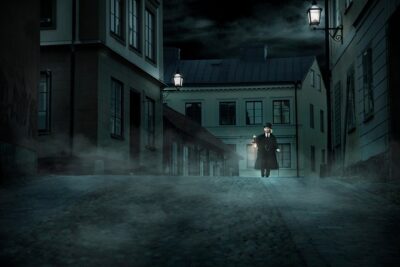
The Original Stockholm Ghost Walk and Historical Tour – Gamla Stan
Read our review →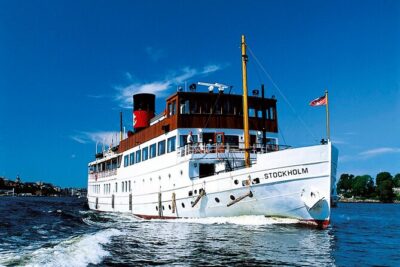
Browse the lists this tour appears in