
Reviewed · STOCKHOLM TOURS
Stockholm: Winter Snowshoe Full-Day Hike
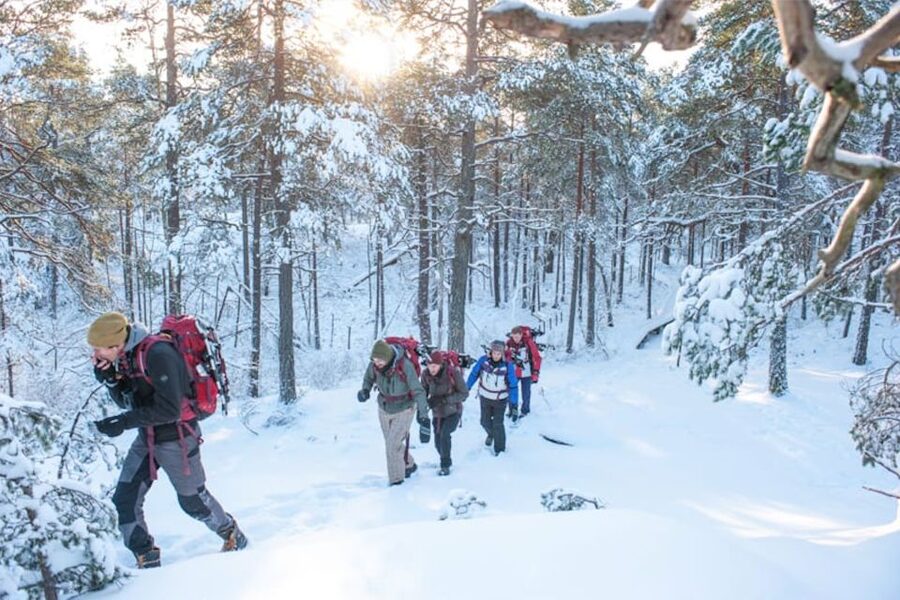
Snowshoeing across a frozen lake only minutes from Stockholm is the great draw here. The route changes with the weather, but you can expect snow-covered woods, deer tracks, icy views, and a proper day outside the city. Tigo, Eric, and George have each led memorable outings, with nature talk that goes beyond pointing at pretty trees.
I like the small group, capped at eight, and the warm campfire lunch made with organic restaurant food. I also like the backup plan: if snow is too thin for snowshoes, you use ice grips and still get a winter hike. The main catch is the weather. You must bring serious cold-weather clothing, and the day may become a regular forest hike rather than a snowshoe adventure.
Key points at a glance
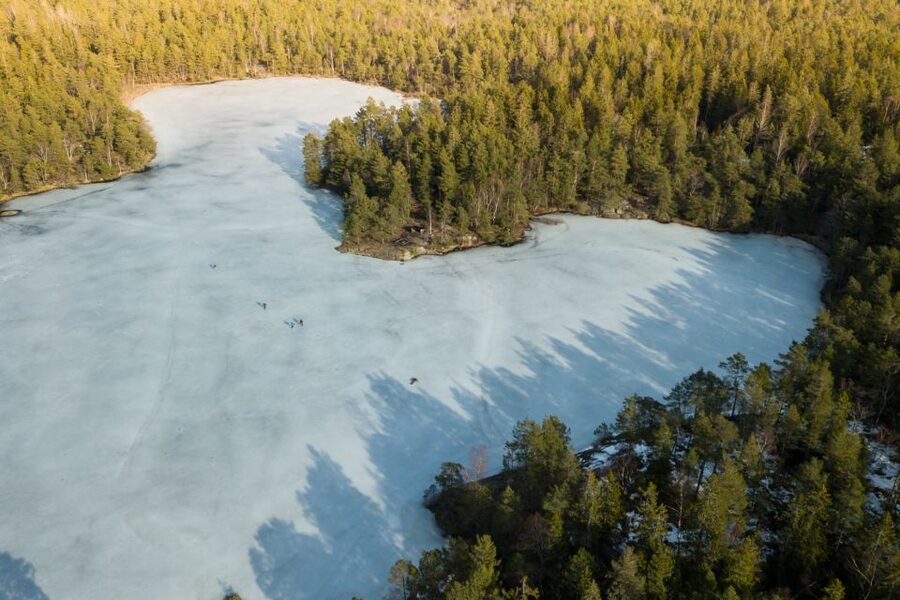
- Frozen-lake walking: Learn how to move safely across snow and ice, conditions permitting.
- A small group of eight: The limited size leaves room for questions and personal help with equipment.
- Campfire lunch: Stop for an organic meal beside a fire, with a chance to learn fire-making skills.
- Winter ecology: Look for deer tracks and learn about Swedish wildlife and forest systems from your guide.
- Snow conditions can change the plan: Thin snow means ice grips and hiking shoes instead of snowshoes.
- Simple city access: Walk from Skanstull, Mariatorget, or Stockholm Södra to the meeting point.
From Stockholm streets to a winter forest
The tour begins at a meeting point within easy reach of central Stockholm. It is about a 10-minute walk from Skanstull metro station on the green line, and also about 10 minutes from Mariatorget on the red line. Stockholm Södra commuter train station is roughly an eight-minute walk away.
That arrangement is practical, though it is not a hotel pickup. You need to make your own way to the meeting point, then join the minivan transfer into Stockholm County. Pick-up and drop-off are included, so the day starts and ends in the city rather than at a remote trailhead.
The ride takes you to the best snow-covered area available at that time of year. That matters in Stockholm, where winter conditions can shift quickly. A fixed trail would be a weakness here, but choosing the route according to the snow gives the guide a better chance of finding genuine winter scenery.
The advertised duration is seven hours, while the detailed description calls it an eight-hour adventure. Either way, plan on giving the outing most of your day. This is not a quick park walk squeezed between museum visits.
More Stockholm outings to compare
- Stockholm: Sunset Hike in Tyresta National Park with Meal
★ 4.8 · 126 reviews - Stockholm: Sunset Hike in Tyresta National Park with Meal
★ 5.0 · 79 reviews - Stockholm: Nature Reserve Hiking Tour with Campfire Lunch
★ 5.0 · 57 reviews
Learning to walk on snow and ice
At the trailhead, your guide explains how to use the snowshoes and how to move safely on snow and ice. That introduction is important, especially if you have never worn snowshoes before. The motion is not difficult, but you need to lift your feet a little higher and allow extra width for the snowshoe frame.
The tour includes high-quality safety equipment and dry bags for personal items. Dry bags are useful in wet winter conditions, but they do not replace proper clothing. Your phone, wallet, and small camera should have a safer place than an open coat pocket when snow starts falling or boots get wet.
If snow is deep enough, the snowshoes spread your weight over a larger area and help you stay on top of the powder. If the snow level is too low, the operator switches to ice grips under your shoes. That change can disappoint anyone booking specifically for the novelty of snowshoeing, but it is better than forcing snowshoes onto bare or thinly covered ground.
One useful lesson here is that winter outdoors does not mean waiting for perfect postcard weather. A hike with ice grips can still take you through quiet forest and across frozen water. The experience becomes less about the equipment and more about learning how Sweden’s outdoors work in winter.
Forest trails, deer tracks, and Swedish ecology
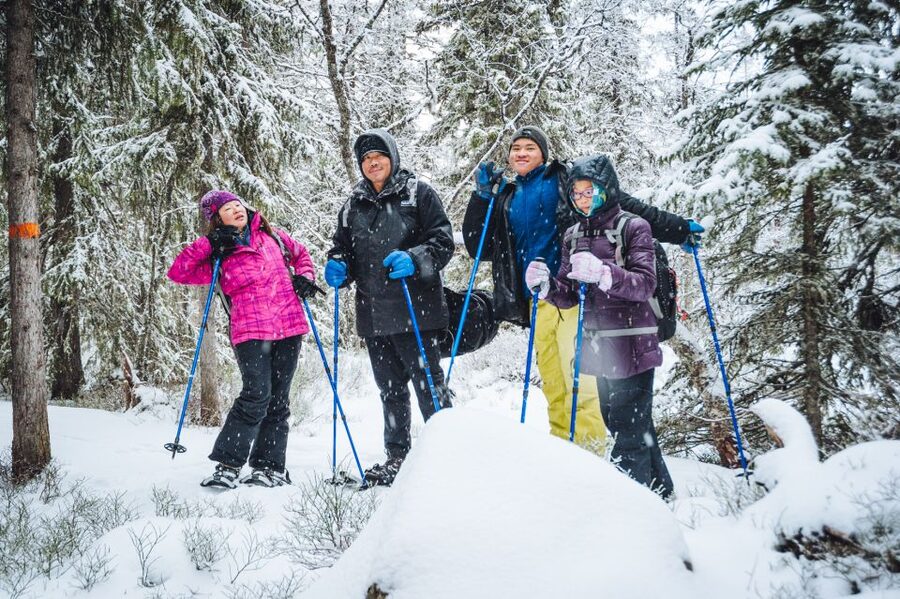
The route takes you through snow-filled forest and past frozen lakes. The exact setting depends on conditions, but the appeal is clear: you leave the city behind and spend the day among snow-covered trees, open ice, and signs of animal life.
Look down as much as you look out. Deer tracks in the snow can turn an ordinary path into a small lesson in local wildlife. Your guide explains what you are seeing and places the woods within a wider Swedish ecosystem. The information is not presented as a formal classroom lecture. It comes through questions, pauses, and observations along the way.
That guide-led element is one of the strongest parts of the outing. Tigo has been praised for explaining Swedish nature and culture while keeping the group engaged. Eric has been described as energetic and helpful, especially when the weather was poor. George has made a point of including people with different levels of English, which matters in a small international group.
You should still keep your expectations in check. This is not a wildlife safari, and there is no promise of seeing live deer or other animals. The reliable reward is the chance to read tracks, notice the shape of the forest, and understand how winter changes movement and survival.
Crossing a frozen lake
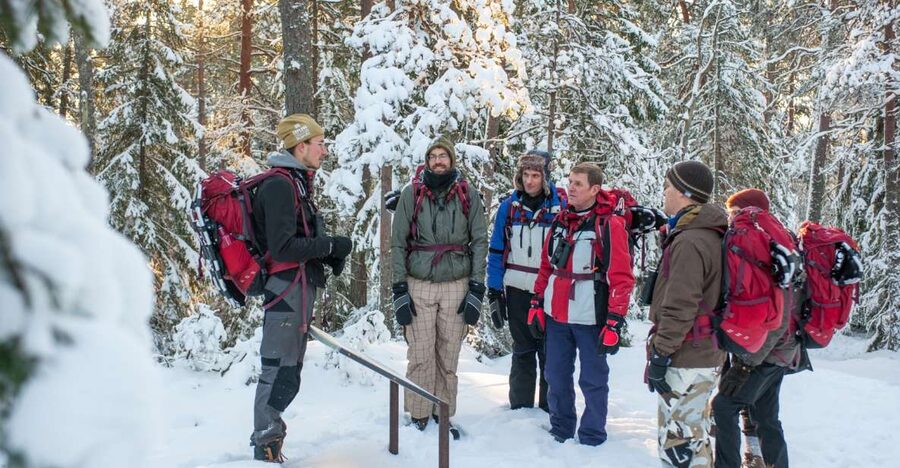
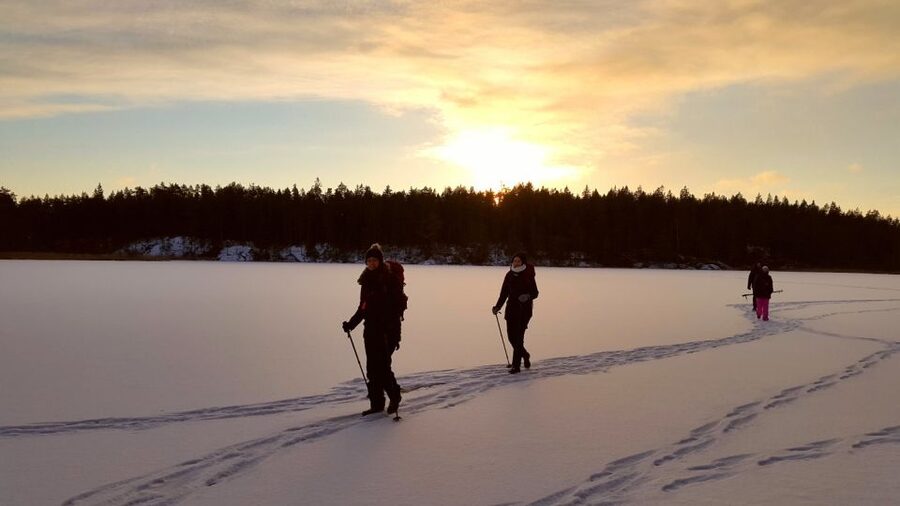
Walking across a frozen lake is likely to be the most memorable part of the day. Snow and ice flatten the view, mute sound, and make familiar outdoor walking feel new. You receive safety instructions before taking on this terrain, and the guide stays with the group.
The word frozen should not be treated casually. The experience includes guidance on walking over snow and ice, but you are also asked to accept full responsibility for accidents. Follow the safety briefing closely, stay with the group, and do not treat the lake as a place for independent wandering.
Conditions may also mean that the lake crossing feels different from the picture you have in mind. Snow cover, wet weather, or thin snow can change the route and equipment. The operator’s ability to switch to ice grips is a practical safeguard, but it cannot guarantee a classic snowshoe crossing.
For me, this is where the tour earns its place on a Stockholm itinerary. The city is famous for islands, water, and handsome streets, but this outing shows you a colder, quieter side of the region. You get a direct look at how nearby nature feels in winter, not just a view of it from a warm café window.
Something quite different in Stockholm:
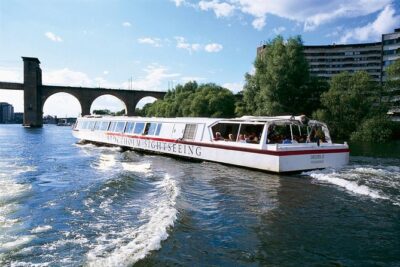
- Stockholm: City Archipelago Sightseeing Cruise with Guide
★ 4.3 · 10,798 reviews - Stockholm: Skansen Open-Air Museum Admission Ticket
★ 4.5 · 3,427 reviews - Stockholm: Archipelago Boat Tour
★ 4.4 · 3,110 reviews - Stockholm: Highlights Boat Tour
★ 4.3 · 2,542 reviews
A campfire lunch with real time to pause
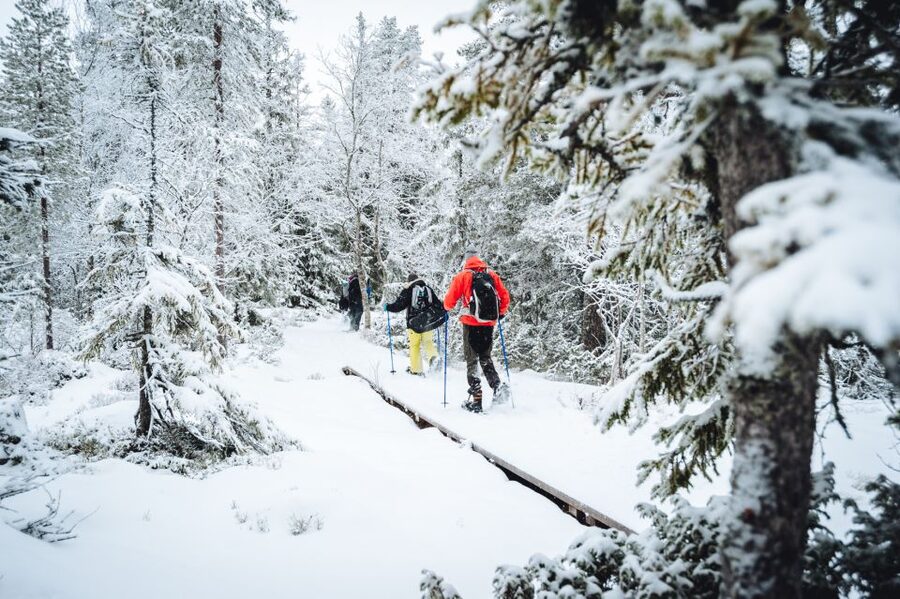
When the group gets hungry, the guide stops for lunch beside a campfire. The meal uses organically produced restaurant food, and the break gives you time to warm up, eat, and talk with the others.
The fire is more than a practical heat source. You may learn how to make it, an outdoor skill that adds substance to the stop. One of the strongest accounts of the day centered on the lunch, the fire-making lesson, and the relaxed mood around the flames.
This is also where the small group helps. With no more than eight participants, lunch can feel social without becoming a crowded camp operation. You meet people from different countries, but the setting gives you something better to talk about than where everyone is staying.
The lunch is included, which improves the $176 price. You are paying for transport, a guide, equipment, food, and a full day outdoors, not simply access to a trail. Still, anyone comparing prices should remember that the value depends heavily on your interest in guided nature time. If you only want a short snowy walk, this will feel expensive. If you want instruction, transport, a meal, and a full winter outing without arranging the details yourself, the cost is easier to justify.
What to wear for a damp Scandinavian day
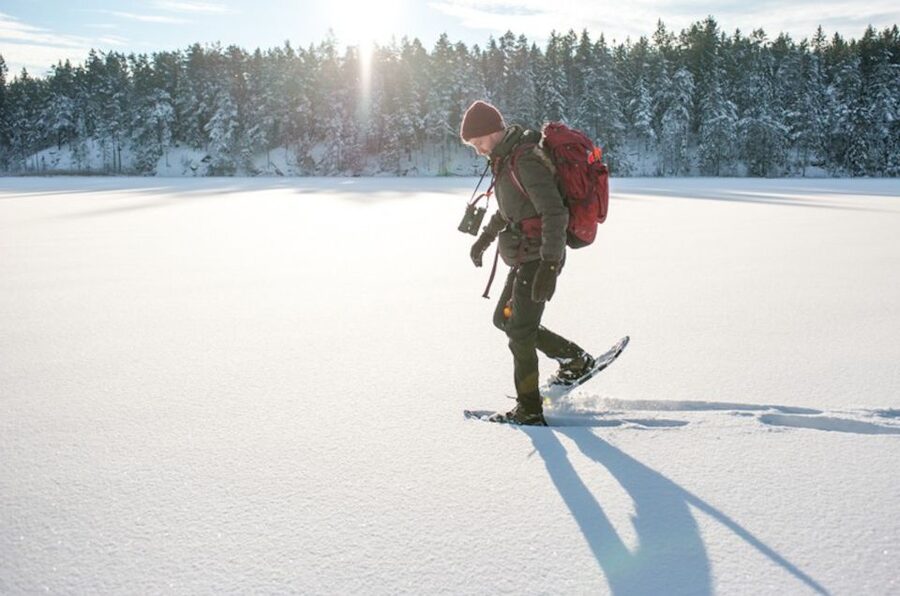
Clothing is not included, and this is the detail most likely to affect your comfort. Bring a warm sweater, a waterproof or windproof shell jacket, hat, gloves, scarf, ski pants or thermal leggings with trousers, and an extra pair of socks.
Hiking boots are also not included. You need suitable footwear for a long day outside, with enough warmth and support for snow, ice, and wet ground. The extra socks are not a luxury. If your feet get damp early in the day, the final hours can become a test of endurance rather than a pleasure.
You should think in layers rather than one giant coat. A warm middle layer helps when you stop at the campfire, while a shell layer protects you from wet snow and wind during the walk. Gloves and a hat matter just as much as the jacket because you may spend time standing still while the guide explains tracks, trees, or safety points.
The operator supplies safety equipment and dry bags, but the responsibility for staying warm remains yours. This is a useful tour for someone who already owns winter gear. If you are packing light for a city break and would need to buy boots, trousers, gloves, and layers, include those costs before deciding that $176 is the full price.
A family-friendly outing, with a few limits
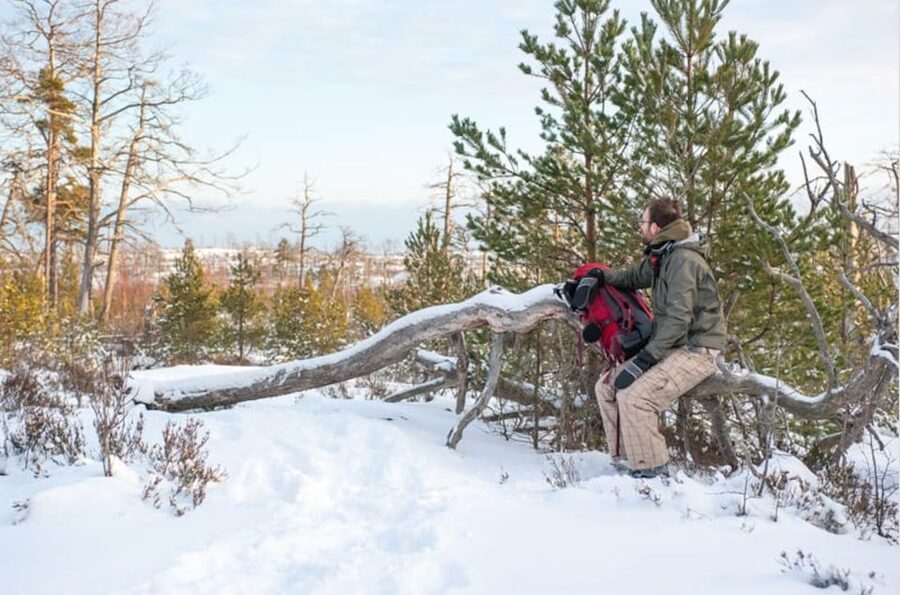
The tour can work well for families and mixed-ability groups. A nine-year-old had a great time on one outing, and the guides have worked to keep people with different English levels involved. The small group also lets the guide notice when someone needs help.
That said, this is a full-day hike, not a gentle sightseeing transfer with a short stroll. You need to be comfortable spending many hours outdoors and following a group route over snow, ice, or wet forest paths. The supplied information does not give a minimum age, exact distance, elevation gain, or accessibility details, so ask the operator if those points matter for your group.
The pace and conditions can affect the experience. Snowshoes require a little extra effort, and ice grips do not remove the need for steady footing. If someone in your party dislikes cold, wet clothing, or uneven ground, this may not be the right choice.
For active families, couples, solo visitors, and small groups of friends, the format has a lot going for it. You receive a guide, transport, food, and equipment without having to work out a winter route near Stockholm yourself.
How the guides shape the day
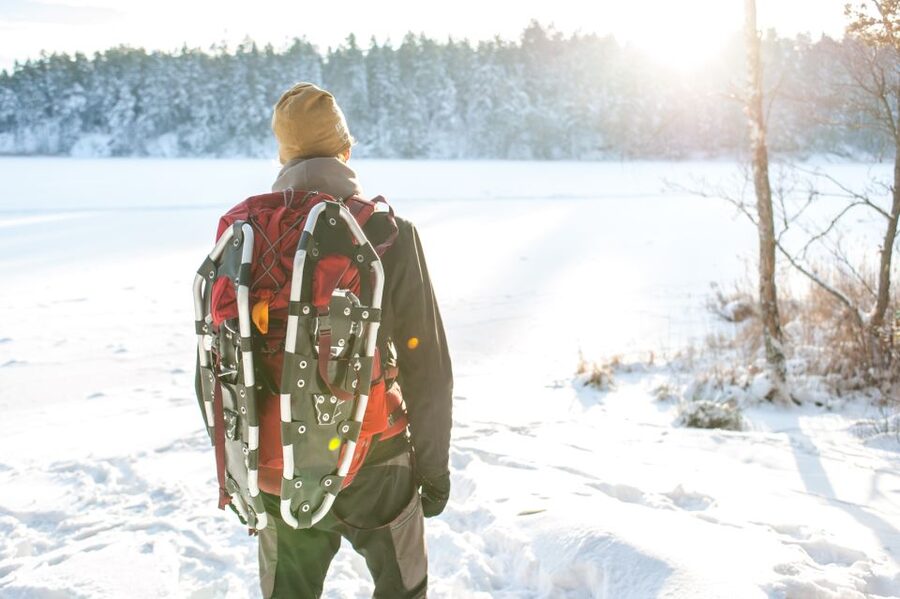
The equipment and scenery provide the setting, but the guide determines how much you take away. The best guides here appear to combine safety instruction with stories about Swedish culture, wildlife, and the local ecosystem.
Tigo is one name you may encounter, and his approach includes plenty of nature and culture information. Eric has kept groups in good spirits even in poor weather. George has helped make sure everyone feels included, even when English ability varies. Guide assignments can change, so book for the format and subject matter rather than one guaranteed person.
You should ask questions. The experience is designed for curiosity, and the guide is there to explain how to walk on snow and ice, what animal tracks mean, and how the forest functions in winter. The quality of the day will rise if you treat it as an outdoor lesson rather than a photo stop.
The small group limit of eight is particularly valuable here. A large coach group would make track spotting, safety advice, and conversation harder. With fewer people, you have a better chance of hearing the guide and getting help with snowshoes or ice grips.
Weather, snow, and the honest trade-off
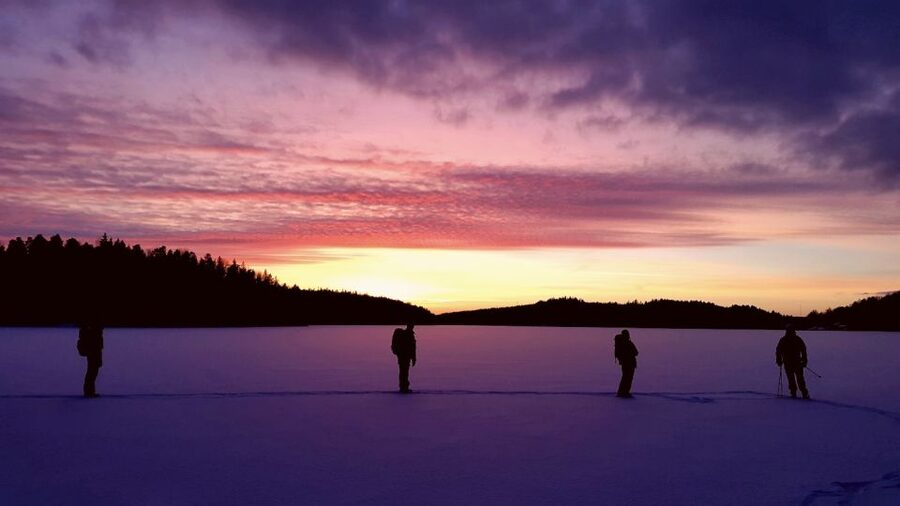
The tour’s biggest uncertainty is also part of its appeal. Snowfall is not guaranteed, and one outing can become a regular hike with ice grips. Wet or gray weather may reduce the postcard effect, too.
I would not book this only because you want a specific photograph of white trees and a pristine frozen lake. Book it because you want a guided day in Swedish nature, with snowshoeing when conditions allow. That distinction will help you enjoy the backup plan rather than see it as a failure.
The experience can still work without heavy snow. Forest trails, frozen water, wildlife tracks, Swedish nature talk, and a fire-side meal remain worthwhile. One outing with little snow still became a highlight for a child and her family because the guide, scenery, food, and new outdoor skills carried the day.
You should also remember that the tour requires you to accept responsibility for accidents. That is a clear reason to take the safety briefing seriously and bring the right clothing. Winter scenery is beautiful, but it is not automatically easy or risk-free.
Is $176 a fair price?
At $176 per person, this is a premium day trip. The price includes city pick-up and drop-off, a guided hike, high-quality safety equipment, dry bags, and an organic lunch. For a visitor without a car or local winter experience, that package removes a lot of planning.
The strongest value comes from the combination. You are not just renting snowshoes, and you are not simply paying for a minivan ride to a forest. The guide teaches you how to manage snow and ice, explains Swedish ecology, and provides a campfire meal in the middle of the day.
The weaker value appears when snow is scarce or when you already have outdoor skills and equipment. In that case, you may spend $176 on a guided forest walk that could feel more expensive than expected. The small group and included meal soften that concern, but they do not erase it.
Free cancellation up to 24 hours before the activity and reserve-now-pay-later booking make it easier to commit while your Stockholm plans are still changing. Those terms are useful, but they do not change the weather risk. Check the conditions and ask practical questions before departure if snowshoeing itself is essential to you.
What to know before you book
The meeting point is a walk from three rail options, but there is no stated hotel pickup. Allow enough time to reach it on foot with your winter gear. The activity ends back there after the minivan returns.
English and Swedish are the tour languages. The group is limited to eight people, which is a good fit if you want direct contact with the guide rather than a large organized outing.
Pack as if the day will be wet, cold, and longer than expected. Bring the extra socks, keep valuables in the supplied dry bag, and do not count on the operator to provide boots or clothing.
Most of all, choose the tour for the whole experience. Snowshoes may be the headline, but the real package is a close look at Swedish winter nature, a guide-led walk, a fire, lunch, and a chance to learn skills you would not pick up from a city tour.
Should you book this Stockholm snowshoe hike?
Book it if you want a full day outdoors, prefer a small group, and are happy to let weather decide the exact route. It is especially well suited to active visitors, families with older children, and anyone curious about Swedish wildlife and winter customs.
Think twice if you need guaranteed deep snow, dislike wet weather, or do not have proper winter clothing and hiking boots. At $176, the tour deserves a realistic look at what you are buying.
My call is favorable, with one condition: see snowshoeing as a bonus, not the only reason to go. The campfire lunch, flexible route, nearby wilderness, and strong guide-led element give the day value even when Stockholm’s snow refuses to cooperate.
FAQ
How long does the Stockholm winter snowshoe hike last?
The activity is listed as lasting seven hours, while the detailed description refers to an eight-hour adventure. Plan to spend most of the day on the outing.
Where does the tour start?
The meeting point is about a 10-minute walk from Skanstull metro station and Mariatorget metro station. It is also about an eight-minute walk from Stockholm Södra commuter train station.
Does the tour include transportation?
Yes. Pick-up and drop-off are included, with a minivan transfer from the city meeting point to the best available winter setting.
Is snow guaranteed?
No. If the snow level is too low, the group uses ice grips under its shoes instead of snowshoes.
What should I bring?
Bring a warm sweater, a waterproof or shell jacket, hat, gloves, scarf, ski pants or thermal leggings with trousers, and an extra pair of socks. Hiking boots are also required but are not included.
Is lunch included?
Yes. The tour includes organically produced restaurant food served during a warming campfire stop.
What languages are available, and how large is the group?
The live guide speaks English or Swedish, and the group is limited to eight participants.
More Snow in Stockholm
- Abisko: Wilderness Snowshoe Hike
★ 4.8 · 94 reviews - Snowshoe in a Winter Forest
★ 5.0 · 40 reviews - Snowshoe up a Mountain
★ 5.0 · 19 reviews - Luleå: Nordic Touring Skiing Adventure
★ 5.0 · 7 reviews
More Winter Activities in Stockholm
- Stockholm: Winter Kayaking, Swedish Fika and hot Sauna Experience
★ 5.0 · 156 reviews - Snowshoe Winter Hike from Stockholm
★ 5.0 · 27 reviews - Stockholm Winter Boat Tour with Guide
★ 4.0 · 25 reviews - Winter Kayak Tour in Stockholm City (Dry Suit Kayaking)
★ 5.0 · 18 reviews
Just added around Stockholm
- Beautiful Stockholm Small Group Walking Tour★ 5.0 · 3 reviews
- Private Golden Hour Photo Walk in Stockholm★ 5.0 · 3 reviews
- ROYAL Castle Skokloster and Viking Sigtuna (private tour)★ 4.5 · 3 reviews
- Stockholm Port to Stockholm Arlanda Airport (ARN) – Departure Private Transfer★ 3.5 · 3 reviews
- Swedish Beer Tasting Tour in Stockholm Old Town Pubs★ 5.0 · 3 reviews
- Stockholm Ghost Hunt: Self-Guided Tour and Puzzle Adventure★ 4.5 · 3 reviews
- Private Photography workshop in Stockholm★ 5.0 · 3 reviews
- Private blood, ghosts and folklore Old Town 2h Stockholm tour★ 4.0 · 3 reviews
Stockholm Tours, compared.

Stockholm: City Archipelago Sightseeing Cruise with Guide
Read our review →
Stockholm: Skansen Open-Air Museum Admission Ticket
Read our review →
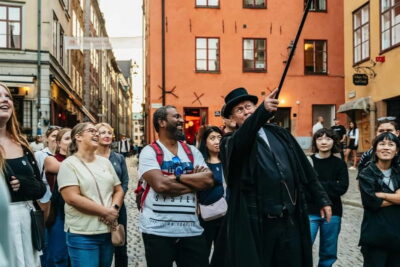

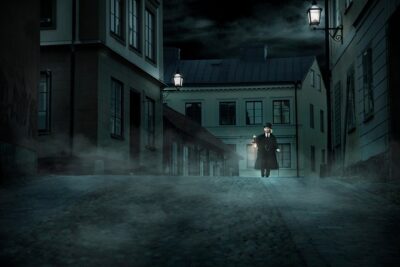
The Original Stockholm Ghost Walk and Historical Tour – Gamla Stan
Read our review →
Browse the lists this tour appears in