
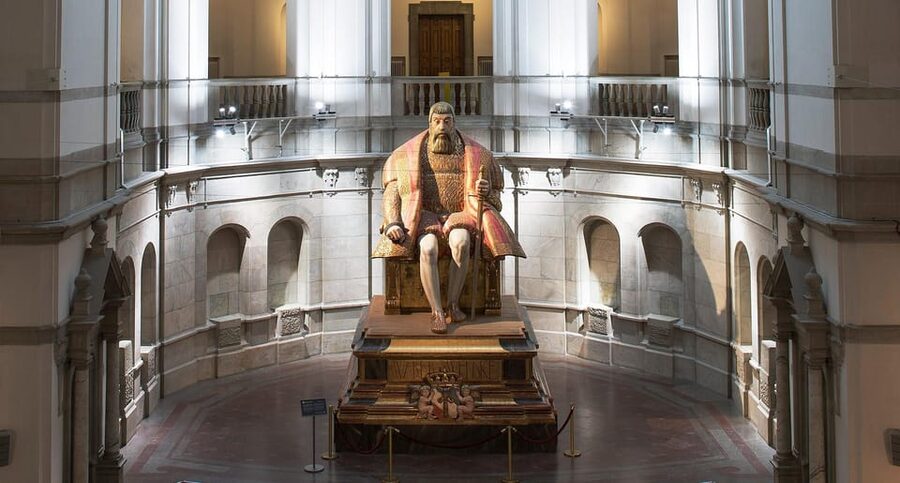
Reviewed · STOCKHOLM TOURS
Stockholm: Nordiska Museet Entry Ticket
Nordiska Museet turns everyday Nordic life into a grand museum visit. Inside its striking building on Royal Djurgården, you can move from family life and homes to food, clothing, beliefs, climate, and the Arctic, with objects reaching from the 16th century to today. I like the Nordic Life exhibition for its broad view, and I like the smaller displays, especially the 1940s flat and miniature homes, because they make history easy to picture.
The main drawback is that this is a self-guided museum visit, not a tour with a personal guide. You need to bring your own headphones for the audio guide, and there is a lot to see, so a short stop may leave you rushing through the best sections.
Key points for your Nordiska Museet visit
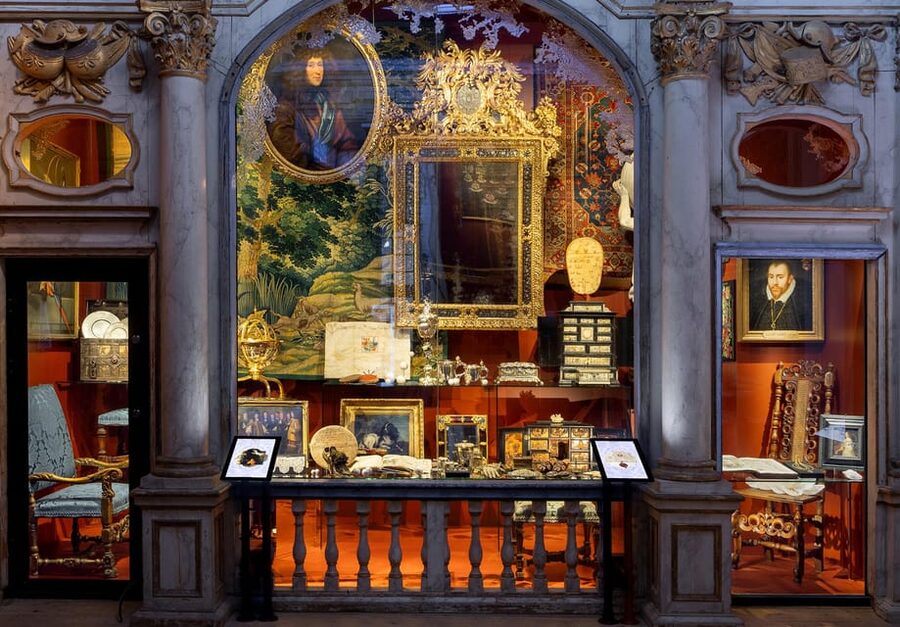
- See Nordic Life, the museum’s largest exhibition, covering people, nature, climate, homes, families, and beliefs.
- Compare five centuries of table settings and see how food and social customs change over time.
- Visit the Arctic exhibition for a look at northern life while the region faces major environmental change.
- Step inside a 1947 home in The 1940s Flat, a useful stop for anyone curious about everyday domestic life.
- Explore Nordic fashion and British influence in British; Ever so Nordic.
- Plan a fika break at the museum restaurant, then browse Nordic crafts and everyday goods in the shop.
Arriving at the grand museum on Royal Djurgården
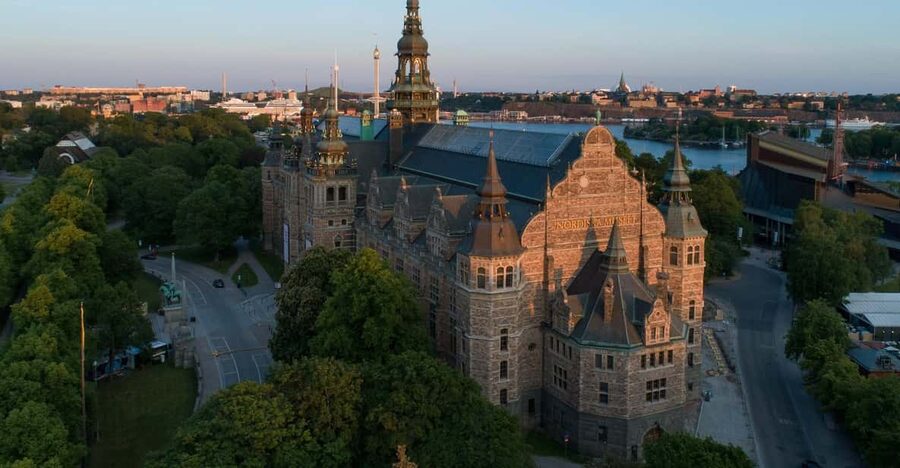
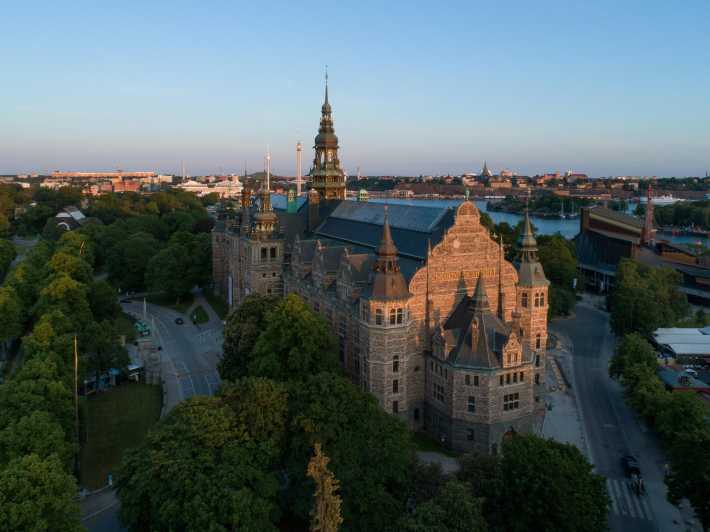
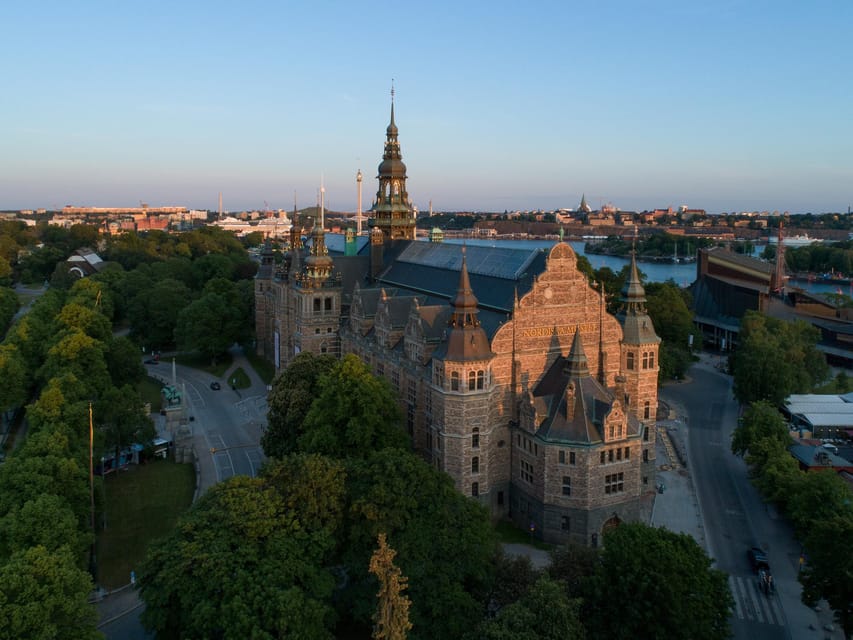
The building is part of the experience. Nordiska Museet sits in lush Royal Djurgården, one of Stockholm’s best areas for museums, parks, and a slower pace away from the city center. Before you even reach the exhibitions, the building gives you a sense that this is a major cultural institution rather than a small collection of local curiosities.
At the entrance, show your ticket to the front desk staff. The ticket is valid for one day, so you can take your time instead of trying to race through every room in one visit.
That flexibility matters. The museum covers a long period and several parts of Nordic life. I would plan at least a few focused hours, though the ticket does not set a required visit length. If you enjoy reading display text and using the audio guide, you may want more time.
Nordiska Museet is cash-free. You can pay by credit or debit card in the shop and restaurant, but you should leave oversize luggage and large bags elsewhere. Food and drinks are not allowed in the exhibition areas.
More Stockholm outings to compare
- Stockholm: Skansen Open-Air Museum Admission Ticket
★ 4.5 · 3,427 reviews - Stockholm Pass: Save up to 50% – Includes Vasa Museum Ticket
★ 4.1 · 2,392 reviews - Stockholm: Nobel Prize Museum and Exhibition Entry Ticket
★ 4.3 · 994 reviews
Nordic Life connects home, nature, and climate
Begin with Nordic Life if you want the clearest introduction to the museum. It is the largest exhibition in the building and looks at how life in the Nordic region has been shaped by contact between people, nature, and climate.
The useful feature here is its wide lens. You are not looking only at famous people, grand events, or royal objects. Instead, the exhibition asks practical questions about what nature means to people, how families and homes are arranged, and what Nordic communities believe in.
That makes the display a good choice if you want context rather than a collection of isolated artifacts. A household item can reveal habits. A piece of clothing can suggest climate and work. A home can show family structure and social change.
The exhibition covers life from the 16th century to the present day. That long time span lets you compare older customs with modern Nordic life, though it also means you should not expect every period or topic to receive equal attention.
You can read the exhibition texts and screens on your phone at guide.nordiskamuseet.se. This is useful if you prefer to read at your own speed or if the audio guide is not available in the section you are visiting.
Real objects make ordinary history easier to understand
Nordiska Museet focuses on real objects and the stories attached to them. That approach gives the visit a practical feel. You can see the things people used, wore, displayed, and shared, rather than only reading a timeline.
For me, this is where the museum earns its admission price. At $19 per person, the ticket is not the cheapest quick stop in Stockholm, but it covers a full day in a large museum with several exhibitions. You are paying for breadth as much as for individual highlights.
The experience works best if you like social history. You will find more about daily routines, traditions, design, and living spaces than a narrow military or political museum might offer.
It also suits mixed groups. Someone interested in architecture can appreciate the building. A visitor curious about design can focus on clothing, furnishings, and table settings. Families may prefer the dollhouses and the 1940s flat, while history fans can spend longer with the broader Nordic Life displays.
The tradeoff is that a large museum can feel less focused. If you want one dramatic story told from beginning to end, this ticket may feel scattered. If you like moving between subjects and building your own route, the variety is an advantage.
The Arctic exhibition looks north
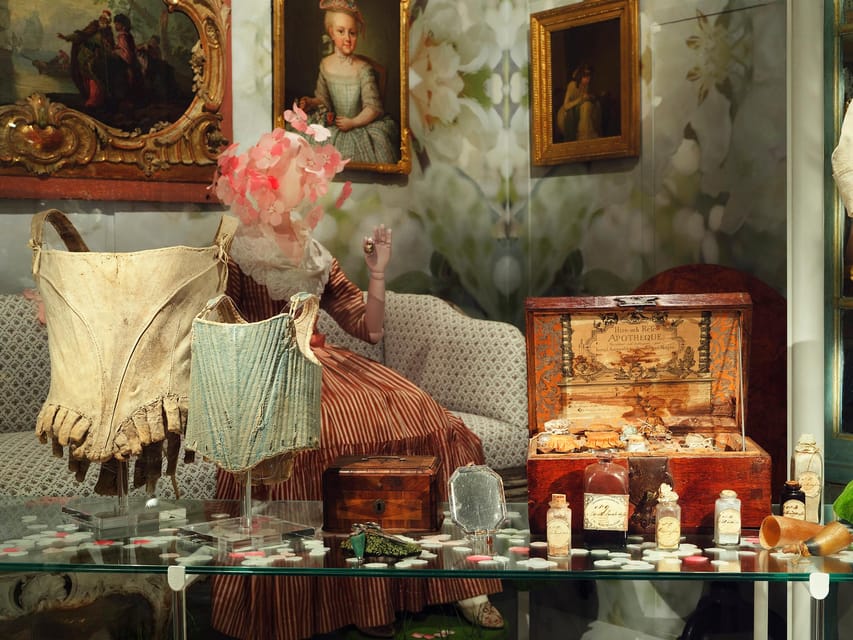
The Arctic exhibition adds an important environmental and geographic side to the museum. It considers life in the far north at a time when the ice is melting.
This is not simply another collection of household objects. The topic places Nordic culture in a setting where nature and climate have a direct effect on daily life. It helps explain why the north matters to the wider Nordic story.
I would not skip this section, even if your main interest is architecture, fashion, or domestic history. It gives the visit a change of pace and broadens the museum’s focus beyond life in southern cities and towns.
The Arctic display is also one of the areas that can make the museum feel current. The exhibitions reach back centuries, but this section connects the past to an environmental issue affecting the region today.
You should allow time to read rather than treating it as a quick photo stop. The supplied information does not specify the exact length or format of the display, so the best approach is to follow the material at your own pace.
Something quite different in Stockholm:
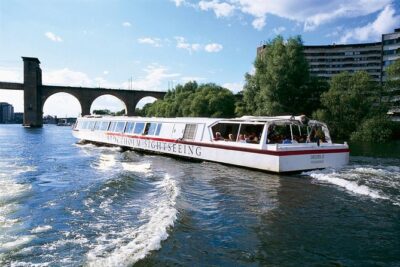
- Stockholm: City Archipelago Sightseeing Cruise with Guide
★ 4.3 · 10,798 reviews - Stockholm: Archipelago Boat Tour
★ 4.4 · 3,110 reviews - Stockholm: Highlights Boat Tour
★ 4.3 · 2,542 reviews - Stockholm: Ghost Walk and Historical Tour
★ 4.7 · 2,206 reviews
Table Settings turns meals into social history
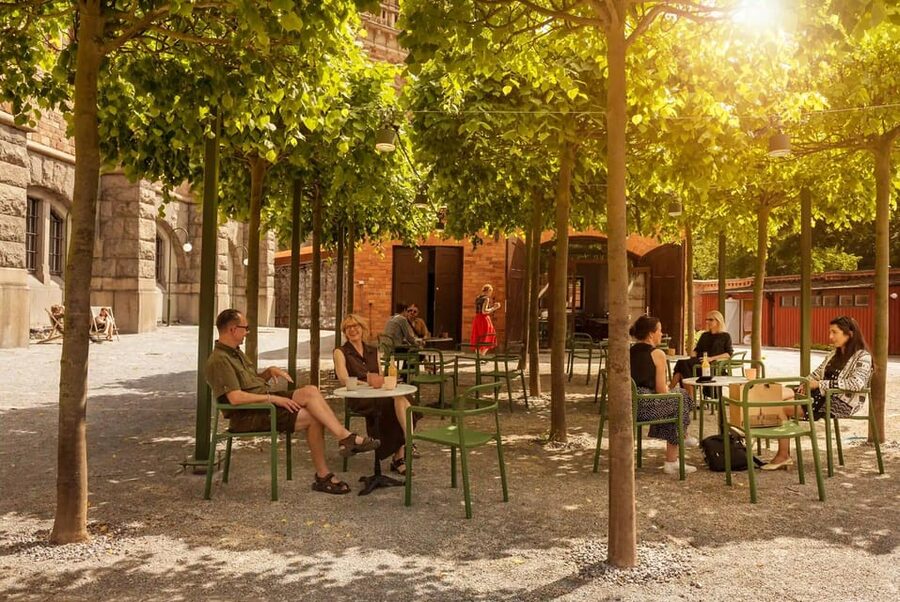
Table Settings examines feasts from five centuries. That may sound modest beside an Arctic exhibition or a full history of Nordic life, but meals reveal plenty about a society.
Look at this display as a record of manners, status, taste, and changing ideas about hospitality. A table is where families gather, guests are welcomed, and social rules become visible. The objects can show how people wanted a meal to look, not just what they ate.
This is a strong stop for anyone interested in design and material culture. It also offers a good break from broad historical themes because the subject is easy to grasp: how people set a table and what that says about their time.
Five centuries give you a useful span of change. The exhibition lets you think about how formal and everyday meals may differ across periods, though the supplied information does not list every object or date on display.
British; Ever so Nordic follows fashion and outside influence
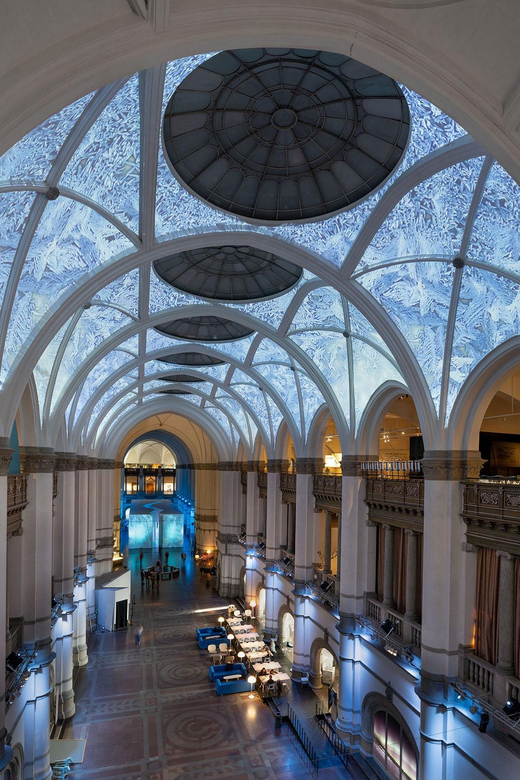
British; Ever so Nordic looks at Nordic fashion and lifestyle through British patterns. The title points to an interesting question: how Nordic identity develops through contact with ideas from elsewhere.
This section should appeal to you if you enjoy clothing, textiles, design, or cultural exchange. It avoids treating Nordic culture as something sealed off from the outside world. Instead, it shows how local style can absorb, reshape, and make use of foreign influence.
The British connection also adds contrast to the other exhibitions. Nordic Life looks broadly at people and place, while this display gives you a more specific way to consider taste and identity.
Do not expect a fashion-only museum visit. This is one exhibition among several, and the ticket is most useful when you combine it with at least two other sections.
The 1940s Flat puts you inside a 1947 home
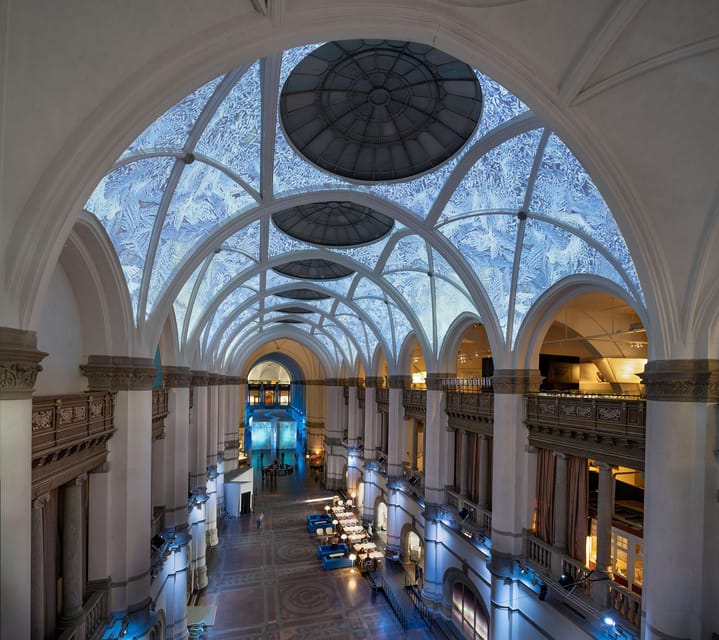
The 1940s Flat is one of the most tangible exhibits in the museum. It presents a home from 1947, allowing you to see domestic life through a particular period rather than through a general description.
I like historical homes because they answer questions that labels often cannot. How were rooms arranged? What did an ordinary living space feel like? Which objects belonged in the home, and what did they say about the people who lived there?
The 1947 date gives this display a clear anchor. It is not an abstract look at the 1940s. It presents a home from a specific moment, making the past easier to picture.
This exhibit should work well for anyone who likes architecture, interiors, or social history. It also gives younger visitors a simple way into the museum. A room is often easier to understand than a long written explanation.
Dollhouses offer small-scale homes and big ideas
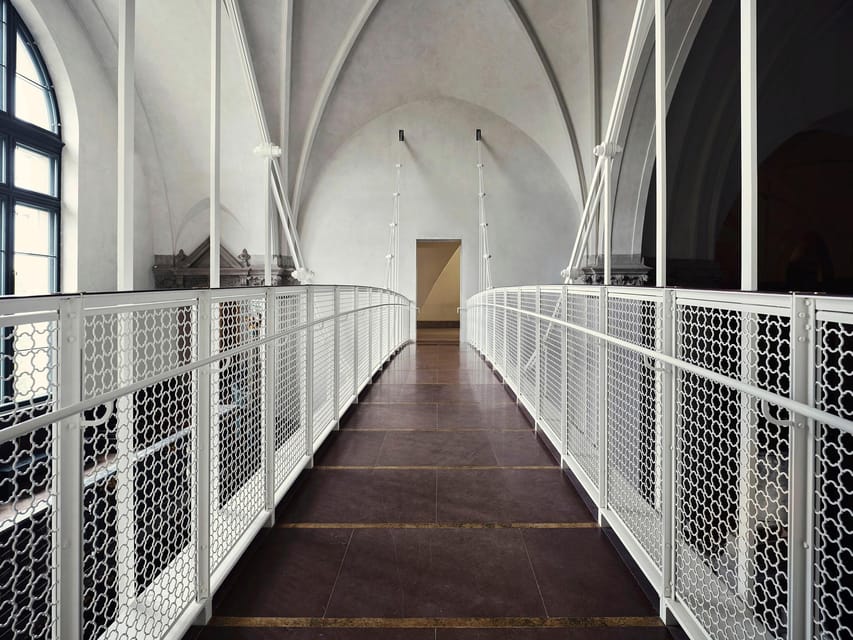
The Dollhouses display presents eight homes in miniature. It is a compact attraction within the wider museum, but do not dismiss it as a children’s corner.
Miniature rooms can reveal ideas about furniture, family life, domestic space, and taste. They also let you compare homes quickly, since several examples are gathered in one place.
This section is especially useful if your group includes children or anyone who enjoys close-up detail. It provides a lighter change of pace after the larger Nordic Life and Arctic displays.
You may want to check the miniature homes carefully rather than rushing past them. The supplied details do not identify the periods or styles of all eight homes, so let the exhibition text guide your interpretation.
Audio, phone access, and the freedom to set your pace
There is no personal guide included with this ticket. Audio guidance is available in Swedish and English in selected exhibitions, so you should bring your own headphones.
That small preparation can make a real difference. A museum this broad can be hard to follow if you only glance at labels. Audio commentary can help connect an object to a wider story, while the phone guide gives you another way to read the Nordic Life material.
The online guide at guide.nordiskamuseet.se lets you read exhibition texts and screens from your phone. Bring a charged phone and headphones if you plan to use these tools.
I like the freedom of a self-guided visit here. You can spend ten minutes with a table setting or much longer with a room from 1947. But you also need to manage your own attention. Start with the sections that interest you most, then return to smaller displays if you have time.
Fika and Nordic shopping round out the visit
The museum restaurant serves lunch courses every day, along with Swedish fika and drinks. Fika is more than a coffee break in Swedish culture, and taking one at the museum gives you a chance to pause after the exhibitions.
The restaurant is practical because you do not need to leave the building to find lunch. Since the ticket is valid for one day, you can also take a break and continue exploring rather than treating the museum as one uninterrupted walk.
The shop offers Nordic crafts and everyday goods from the Nordic countries. It is a useful final stop if you want a physical reminder of the visit, though purchases are separate from the entry ticket and card payment is required because the museum is cash-free.
Who will get the most from the $19 ticket
I would recommend this experience to you if you enjoy museums that focus on ordinary life. It is a particularly good fit for anyone interested in Nordic culture, interiors, fashion, food customs, family life, or the relationship between people and nature.
The ticket also works well on a day when Stockholm weather is poor. Royal Djurgården is lovely, but the museum gives you a substantial indoor plan with enough material to fill much of a day.
Families may appreciate the variety, especially the dollhouses and historical flat. Design-minded visitors should look closely at the fashion and table-setting exhibitions. History fans will find plenty to follow in the 16th-century-to-present scope, though the museum is social and cultural rather than focused on battles or political leaders.
You may want to skip it if you have only a short time in Stockholm and prefer a highly concentrated museum. You might also find the self-guided format less satisfying if you want a guide to lead you from room to room.
The overall rating is 4.3 out of 5 from 253 reviews, and the strongest praise focuses on the main exhibition, the Arctic area, and the museum’s large collection of cultural and historical objects. That matches the ticket’s main strength: it gives you both a broad introduction and several more focused displays.
Should you book Nordiska Museet?
Book it if you want to understand how Nordic people lived, not just view famous art or grand architecture. At $19, the one-day ticket offers good value if you spend several hours with Nordic Life and add the Arctic, Table Settings, The 1940s Flat, or Dollhouses.
I would make this a relaxed Djurgården stop, not a rushed 45-minute visit. Bring headphones, leave large bags behind, use your phone for the Nordic Life texts, and save time for fika. Skip it only if you want a short, guided experience with a single subject.
FAQ
Where is Nordiska Museet located?
Nordiska Museet is located in Stockholm County on Royal Djurgården.
How long is the ticket valid?
The entry ticket is valid for one day.
What does the ticket include?
The ticket includes entry to Nordiska Museet and its available exhibitions.
Is a guide included?
No. A personal guide is not included. An audio guide is available in Swedish and English in selected exhibitions.
Do I need headphones?
Yes. You should bring your own headphones if you plan to use the audio guide.
Is the museum wheelchair accessible?
Yes. The museum is wheelchair accessible.
Can I pay with cash at the museum?
No. Nordiska Museet is cash-free. You can pay by credit or debit card in the museum shop and restaurant.
Can I bring food, drinks, or large luggage?
Food and drinks are not allowed. Oversize luggage, luggage, and large bags are also not allowed inside.
Just added around Stockholm
- Beautiful Stockholm Small Group Walking Tour★ 5.0 · 3 reviews
- Private Golden Hour Photo Walk in Stockholm★ 5.0 · 3 reviews
- ROYAL Castle Skokloster and Viking Sigtuna (private tour)★ 4.5 · 3 reviews
- Stockholm Port to Stockholm Arlanda Airport (ARN) – Departure Private Transfer★ 3.5 · 3 reviews
- Stockholm Ghost Hunt: Self-Guided Tour and Puzzle Adventure★ 4.5 · 3 reviews
- Swedish Beer Tasting Tour in Stockholm Old Town Pubs★ 5.0 · 3 reviews
- Private Photography workshop in Stockholm★ 5.0 · 3 reviews
- Private blood, ghosts and folklore Old Town 2h Stockholm tour★ 4.0 · 3 reviews
Stockholm Tours, compared.

Stockholm: City Archipelago Sightseeing Cruise with Guide
Read our review →
Stockholm: Skansen Open-Air Museum Admission Ticket
Read our review →
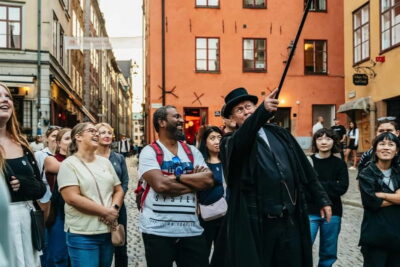
The Original Stockholm Ghost Walk and Historical Tour – Gamla Stan
Read our review →
Browse the lists this tour appears in