
Reviewed · STOCKHOLM TOURS
Stockholm: Nobel Prize Museum and Exhibition Entry Ticket
The Nobel Prize Museum turns big names and world-changing ideas into personal stories. In the heart of Gamla Stan, you’ll see more than 200 objects connected to laureates, from scientists and authors to people who worked for peace and freedom. I like the mix of audio, video, and real artifacts, and I like that a short guided tour can give your visit a clear shape.
The daily tours are included in your ticket, so ask at the entrance about the next English session. The main drawback is size: this is a small museum, and some people expect a larger science center. At $18, it offers good value if you read, watch, and listen, but it may feel pricey for a quick half-hour stop.
Key points to know before you go
- More than 200 laureate objects: Personal belongings and unusual artifacts help put famous achievements into human terms.
- Daily tours included: Ask the entrance staff about the next English or Swedish museum tour, often around 30 minutes.
- A strong self-guided visit: Plan 1 to 2 hours, or up to 3 if you watch the films and read the object descriptions.
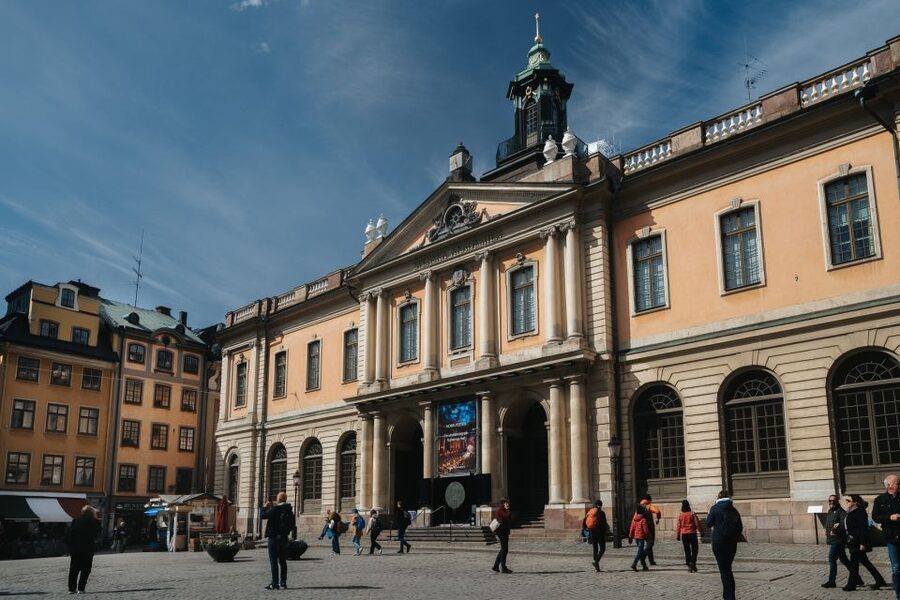
- Excellent Old Town location: The museum is on Stortorget, making it an easy stop while exploring Gamla Stan.
- Good for curious families: Multimedia displays and hands-on elements can work well for older children and teenagers.
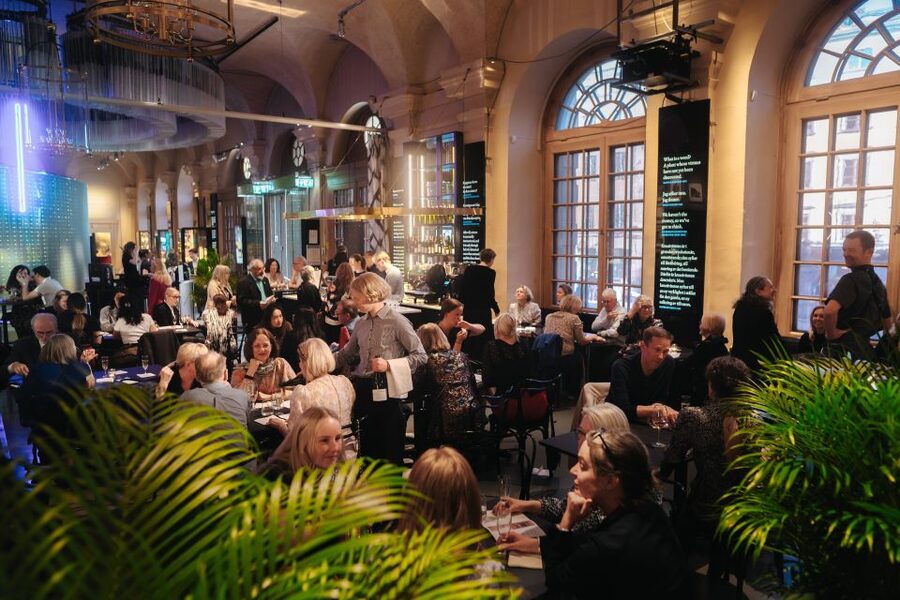
- Bistro Nobel is closed during spring restoration: Food and drinks are not included, so plan a café stop elsewhere if needed.
Finding the museum on Stortorget
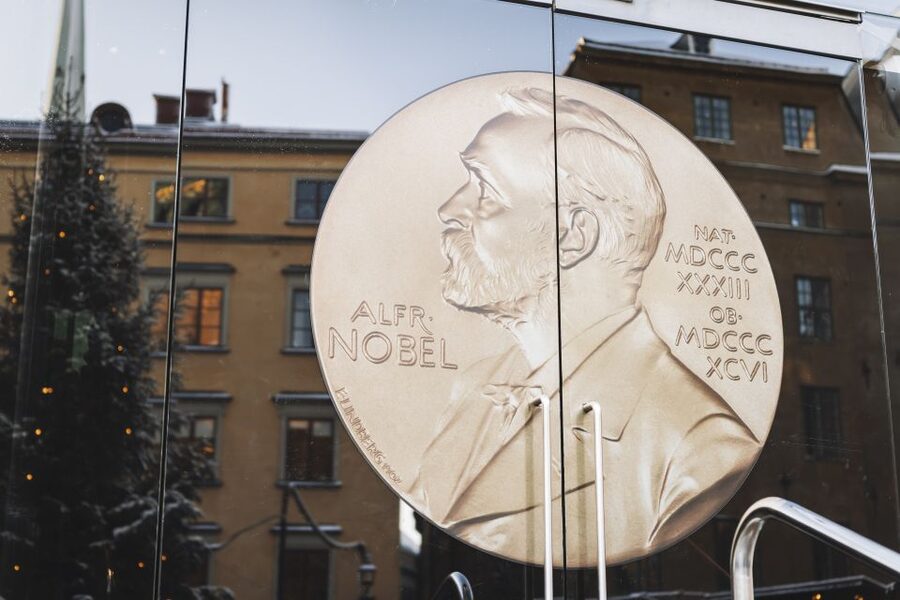
The Nobel Prize Museum is on Stortorget, the main square in Stockholm’s Old Town, Gamla Stan. This makes it easy to add to a walking day among the narrow streets, historic buildings, and central sights of the district.
You do not need to arrange a separate meeting with a guide. Show your ticket at the museum entrance, then ask the staff about the next included tour. The ticket is valid for one day, and the activity information lists English as the host language while also noting daily tours in English and Swedish.
The central location is one of the museum’s practical strengths. You can stop in for an hour between other Old Town visits, or take your time without crossing the city for a single attraction. Online admission also helps keep entry simple, though you should still check the available tour time when you arrive.
The museum is wheelchair accessible. Food and drinks are not included, and Bistro Nobel is listed as closed during the spring for restoration work following water damage. Plan on eating before or after your visit rather than counting on a meal inside.
More museums in Stockholm
- Stockholm: Skansen Open-Air Museum Admission Ticket
★ 4.5 · 3,427 reviews - Stockholm Pass: Save up to 50% – Includes Vasa Museum Ticket
★ 4.1 · 2,392 reviews - Stockholm: Fotografiska Museum Entrance Ticket
★ 4.5 · 702 reviews
Start with Alfred Nobel and the prize itself
The visit begins with the story behind the Nobel Prize and the person who gave it his name. You’ll learn about Alfred Nobel, the origin of the prizes, the banquet tradition, and the basic process behind nominations and awards.
That background matters. Without it, a display of laureate names can feel like a roll call. With it, the objects and films have a clearer purpose: they show how discoveries, writing, and peace efforts became part of an award meant to benefit humankind.
The museum does not simply focus on famous winners. It also gives space to the choices, working lives, and ideas that led to their honors. A personal object can be less spectacular than a major invention, but it can make a distant public figure easier to understand.
Allow a little time at the beginning rather than rushing straight to the objects. The museum is small enough that you can get a basic orientation quickly, but the visit becomes more rewarding when you understand how the prize categories and selection process fit together.
The permanent display, These Things Changed the World

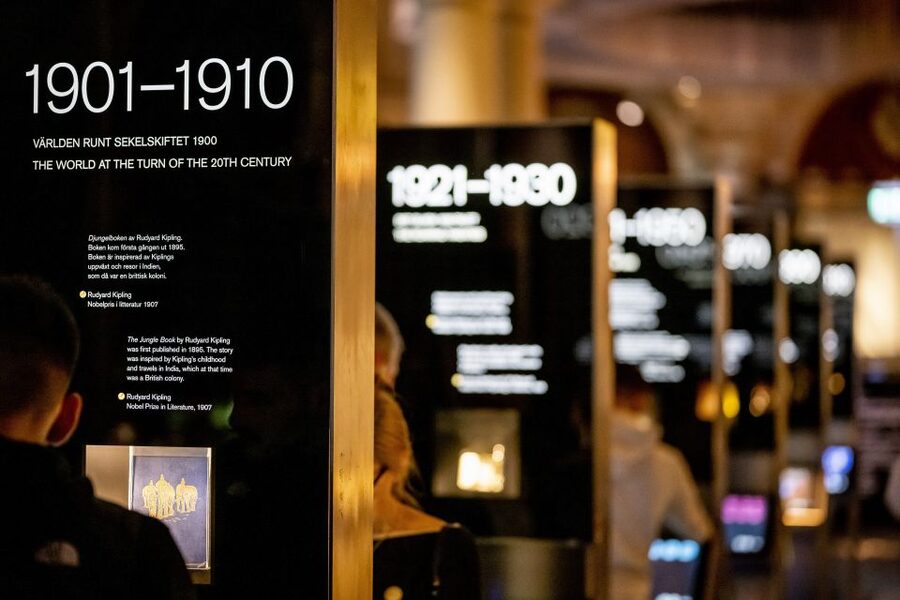
The permanent exhibition, These Things Changed the World, presents a large selection from the museum’s collection. More than 200 artifacts connect individual laureates with revolutionary inventions, peace work, new ideas, and literature.
The word artifacts is important here. This is not only a room of technical breakthroughs or a display of gold medals. You may find personal belongings and objects donated by laureates, each paired with information about the person and the work that led to the award.
That approach has a clear benefit: it gives the prize a human scale. You are not just reading that someone changed science or public life. You are seeing an item linked to that person and learning why it was preserved.
There is also a limitation. If you want detailed explanations of every scientific invention, you may find the museum lighter on technical information than expected. Some displays focus more on the lives and possessions of laureates than on the mechanics of their breakthroughs.
I would treat the permanent exhibition as an introduction rather than a full course in Nobel science, literature, or politics. It gives you enough context to spark questions, and the short films and labels help you choose which subjects deserve extra time.
Videos and audio make the small museum more active
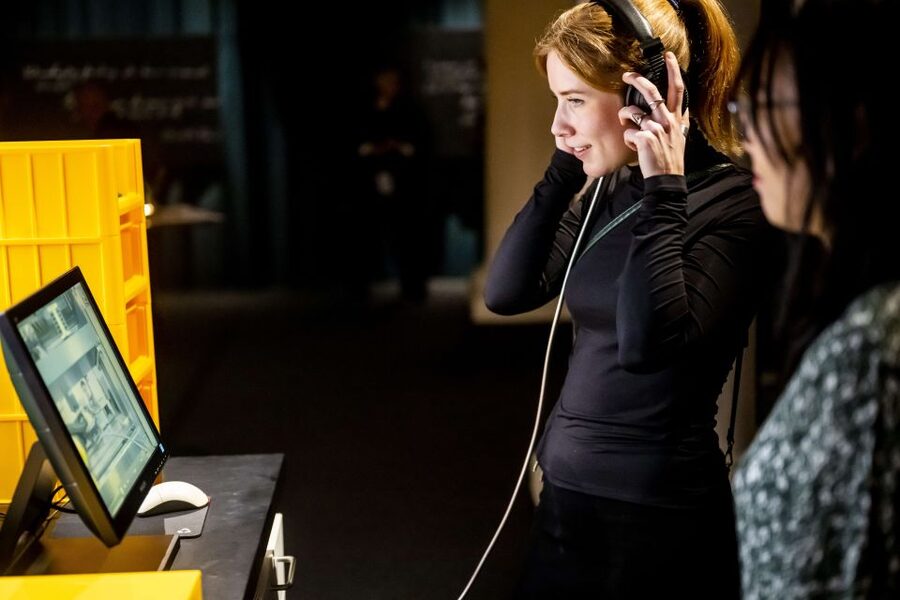
The museum’s multimedia material is a major part of the visit. Videos, audio stories, and other displays add voices and movement to what could otherwise be a quiet collection of labels and objects.
I especially like this format for a museum covering so many people. You can read about one laureate, then use an audio story or film to get a more direct sense of the person and achievement. It breaks up the reading and gives younger visitors another way into the subject.
The material is also useful if you arrive with different interests. One person can focus on science, another on literature or peace work, and everyone can move at a comfortable pace. The museum is not so large that you need a strict route.
Do not budget only 30 minutes if you want to watch everything. A short visit gives you the outline, but 1 to 2 hours is more realistic for a relaxed look. If you read the descriptions and watch many of the videos, you could spend about 3 hours.
Some interactive or children’s elements may show wear over time. That does not ruin the visit, but families should think of the museum as an educational stop with some child-friendly features, not as a large play center.
More Stockholm outings to compare
- Stockholm: Avicii Experience Skip-the-Line Entrance Ticket
★ 4.8 · 763 reviews - Fotografiska Stockholm Admission Ticket
★ 4.0 · 330 reviews - Vasa Museum Guided Tour, Including Ticket & Guide
★ 5.0 · 330 reviews - Entrance ticket to The Viking Museum
★ 4.0 · 301 reviews
Why the included guided tour is worth your time
Daily guided tours are included with admission, and the museum provides them in English and Swedish. Ask the entrance staff for the day’s times and sign up or arrive early enough to join the English session that suits your schedule.
A guided tour can be especially useful on a first visit. The collection covers many laureates and subjects, so a guide can point out the key stories and explain details that you might pass while reading on your own. One English session has been scheduled at 1:15 p.m., but times can change, so confirm at the desk rather than planning around that hour.
The tour is short, roughly 30 minutes according to the experience information and visitor accounts. That is a good length for a museum introduction. You get a framework without giving up the rest of your visit.
After the tour, return to the displays that caught your attention. This two-part approach works better than choosing between guided and self-guided touring. The guide supplies direction, while your own time lets you follow the laureates and objects that interest you most.
If no tour fits your plans, the museum remains easy to visit independently. The displays are organized and accessible, and the films, audio, and descriptions provide plenty to do. Just allow more time if you want to build your own route.
A useful stop for teenagers and families
The museum works best for families with children who can read, listen, and follow ideas about science, writing, peace, and public life. A 17-year-old, for example, can get a meaningful introduction to the importance of the Nobel Prize without needing specialist knowledge.
The variety helps. A teenager who is not interested in long museum labels may respond to the videos or audio stories. A child who enjoys inventions can look for objects tied to scientific work, while adults may spend more time on the lives of laureates and the prize process.
I would not promise that every display will hold the attention of a very young child. The museum is compact, and much of its value comes from reading and listening. For older children, though, the subject offers a good way to connect school topics with real people and difficult world questions.
Families should also remember that the museum can become crowded because of its small footprint. If you want a calmer look at the objects, arrive when you have enough time to wait for space around the displays rather than trying to rush through.
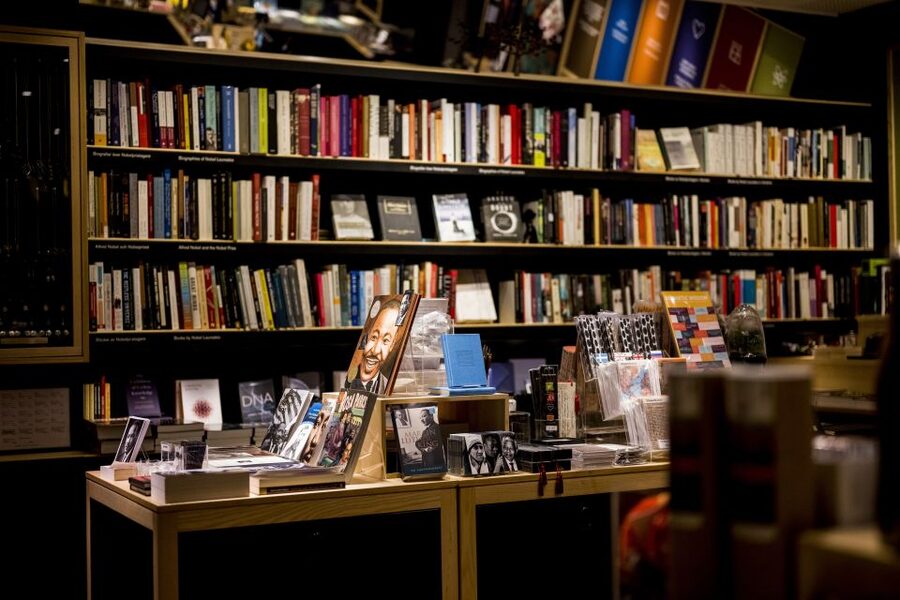
The museum shop and chocolate medal
The museum shop adds a pleasant final stop. It carries a selective range of books, gifts, and souvenirs, including the famous chocolate Nobel Prize medal.
The chocolate medal is the kind of souvenir that fits this museum better than a generic trinket. It gives you a small, edible reminder of the prize and can be a fun choice for children or a gift for someone who enjoys unusual food souvenirs.
Books are the more lasting purchase if you want to continue the subject after leaving. Since the museum introduces many laureates rather than giving every person a long biography, a book can help you follow up on the scientist, author, or peace worker who caught your attention.
The shop is included in the visit, but purchases are not part of the $18 ticket. Keep that distinction in mind if you are working with a tight budget.
Is $18 good value for a one-day ticket?
At $18 per person, the admission is fair if you use the museum as a focused cultural stop rather than a quick photo opportunity. The ticket includes entry, access to the special exhibition, and the museum tour, which improves the value.
The included tour is the biggest reason to book rather than simply glance at the museum from outside. Add the permanent collection, films, audio stories, and shop, and you have enough material for a useful 1 to 2-hour visit.
The price feels less favorable if you spend only 20 or 30 minutes inside. Because the museum is small, some people expect more rooms, more inventions, or a larger presentation of Nobel science. You should book with the right expectation: this is a compact museum built around stories and objects, not a giant technical museum.
For a visitor already spending the day in Gamla Stan, the location helps the value. You do not need a separate journey, and you can fit the museum between other Old Town sights. The free guided tour also adds something that a purely self-guided admission would not.
Free cancellation up to 24 hours before the visit and the option to reserve now and pay later make the ticket easier to fit into a changing schedule. Those terms are useful, but the main value still depends on how much time you give the displays.
Who should book this Stockholm museum visit?
I recommend it most strongly if you enjoy biographies, science, literature, peace work, or the stories behind major public awards. It is also a good choice for a curious teenager, a first-time visitor to Stockholm, or anyone who wants an indoor stop in Gamla Stan.
Book it if you like museums that let you set your own pace. You can take the short tour, return to favorite objects, listen to selected audio stories, and leave after an hour if your schedule is tight.
Think twice if you want a large collection of scientific equipment or a detailed explanation of how each invention works. The museum gives more attention to laureates, their lives, the prize system, and donated belongings than some science-focused visitors expect.
My practical plan would be simple: arrive, ask about the next English tour, take the 30-minute orientation, then spend another hour with the permanent and temporary displays. Finish in the shop, and arrange food elsewhere while Bistro Nobel is closed during the spring restoration period.
Final verdict: a compact, worthwhile Old Town stop
You should book the Nobel Prize Museum if you want an informative and flexible visit that connects famous awards with real people and objects. The daily tour, strong multimedia material, and central Stortorget location make the $18 ticket reasonable for a well-used hour or two.
You should skip it if your main goal is a large, hands-on science museum. For everyone else, especially families with older children and visitors interested in peace, literature, or world-changing ideas, this is an easy addition to a day in Stockholm’s Old Town.
FAQ
Where is the Nobel Prize Museum?
The museum is located at Stortorget in Stockholm’s Old Town, Gamla Stan.
How much does admission cost?
The listed price is $18 per person.
How long is the ticket valid?
The ticket is valid for one day.
Are guided tours included?
Yes. Museum tours are included with the entry ticket.
Are tours available in English?
Yes. Daily guided tours are offered in English and Swedish. Ask the entrance staff for current times.
Is the museum wheelchair accessible?
Yes. The activity is listed as wheelchair accessible.
What is included in the ticket?
Admission, access to the special exhibition, and a museum tour are included.
Are food and drinks included?
No. Food and drinks are not included in the ticket.
Is Bistro Nobel open?
Bistro Nobel is listed as closed during the spring for restoration work after previous water damage. Check its current status if dining there matters to you.
Can I cancel the booking?
Yes. You can cancel up to 24 hours in advance for a full refund. You can also reserve now and pay later.
Just added around Stockholm
- Beautiful Stockholm Small Group Walking Tour★ 5.0 · 3 reviews
- Private Golden Hour Photo Walk in Stockholm★ 5.0 · 3 reviews
- ROYAL Castle Skokloster and Viking Sigtuna (private tour)★ 4.5 · 3 reviews
- Stockholm Port to Stockholm Arlanda Airport (ARN) – Departure Private Transfer★ 3.5 · 3 reviews
- Stockholm Ghost Hunt: Self-Guided Tour and Puzzle Adventure★ 4.5 · 3 reviews
- Swedish Beer Tasting Tour in Stockholm Old Town Pubs★ 5.0 · 3 reviews
- Private Photography workshop in Stockholm★ 5.0 · 3 reviews
- Private blood, ghosts and folklore Old Town 2h Stockholm tour★ 4.0 · 3 reviews
Stockholm Tours, compared.

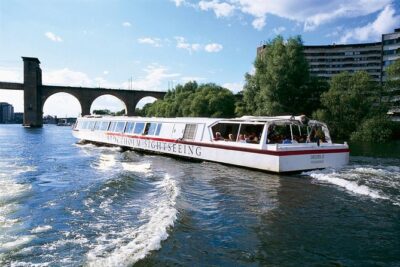
Stockholm: City Archipelago Sightseeing Cruise with Guide
Read our review →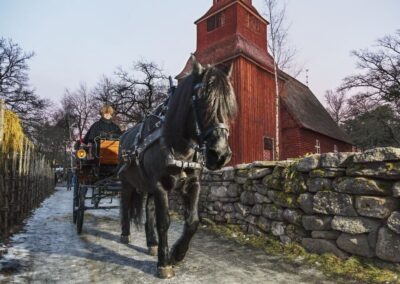
Stockholm: Skansen Open-Air Museum Admission Ticket
Read our review →
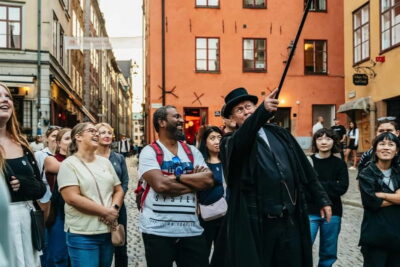
The Original Stockholm Ghost Walk and Historical Tour – Gamla Stan
Read our review →
Browse the lists this tour appears in