
Reviewed · UPPSALA TOURS
Uppsala: City Highlights and Hidden Gems Walking Tour
Uppsala gives you Sweden before Stockholm. This 2.5-hour walk connects Viking stories, the country’s oldest cathedral, Carl Linnaeus’s botanical world, and a pink castle tied to Gustav Vasa. It is a compact way to see why Uppsala is often called the birthplace of the Swedish nation.
I like the private group format, since you can ask questions and steer the conversation toward history, architecture, or student life. I also like the mix of major sights and quieter corners, especially the Botanical Gardens and the canals near the university.
The main consideration is the price: $142 per person is a serious outlay for a short walking tour. You will get the best value if you want a personal guide and historical context, but less value if you prefer to explore at your own pace or mainly want cathedral entry.
Key points to know before you book
- Uppsala predates Stockholm: The tour explains why this university city claims a central role in Sweden’s early story.
- A private English-language walk: A guide such as Frankie, Franky, or Parwin can adapt the conversation to your questions and interests.
- Three major anchors: Uppsala Cathedral, the Botanical Gardens, and Uppsala Castle give the route a clear shape.
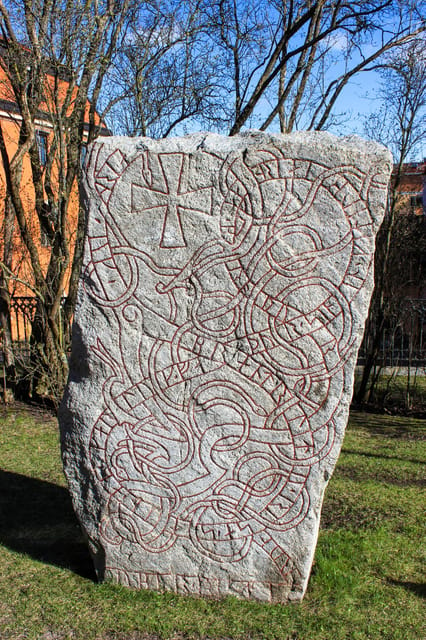
- Viking archaeology takes center stage: You hear about roughly 30,000 rune stones connected with everyday Viking life.
- Student life is part of the story: The route passes Uppsala University and canals that help define the city today.
- Plan for two and a half hours on foot: Comfortable shoes, sun protection, and a charged phone matter.
Why Uppsala makes a strong history walk
Uppsala is not simply a smaller stop added to a Stockholm trip. It offers a different starting point for understanding Sweden. The city is older than Stockholm, and its past reaches from Viking-era stories to the modern university community.
The opening part of the walk sets that context. You meet outside Uppsala Central Station, then begin with an orientation and photo stop in Uppsala County. This first ten minutes helps you place the city before the route moves toward its major sights.
I like that the tour does not treat Uppsala as a collection of isolated buildings. The guide links the cathedral to Swedish kings, the university to scientific study, the gardens to Carl Linnaeus, and the canals to present-day student life. That gives you a useful thread to follow as you walk.
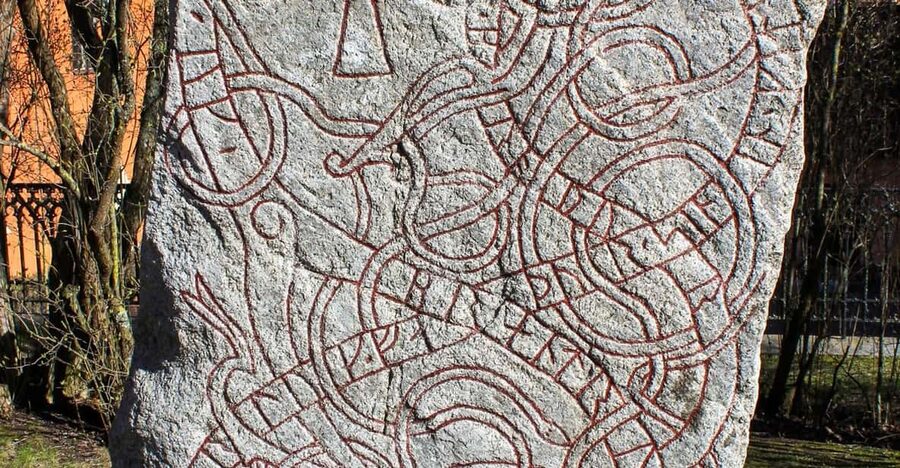
The Viking material is one of the more distinctive parts. Uppsala is associated with one of the largest archaeological finds of rune stones, numbering about 30,000. The stones are not just old objects for a photograph. They help explain how people recorded names, journeys, beliefs, and daily life.
The information is broad rather than deeply academic. That suits a first visit, though you should keep your expectations in check. One person who rated the tour three out of five wanted more history about Uppsala, a fair warning if you are looking for a long, detailed lecture on every period.
More walking tours in Sweden
- Stockholm: Ghost Walk and Historical Tour
★ 4.7 · 2,206 reviews - Walking Tour of Stockholm Old Town
★ 5.0 · 1,175 reviews - The Original Stockholm Ghost Walk and Historical Tour – Gamla Stan
★ 4.5 · 1,165 reviews
Inside Uppsala Cathedral with Gustav Vasa
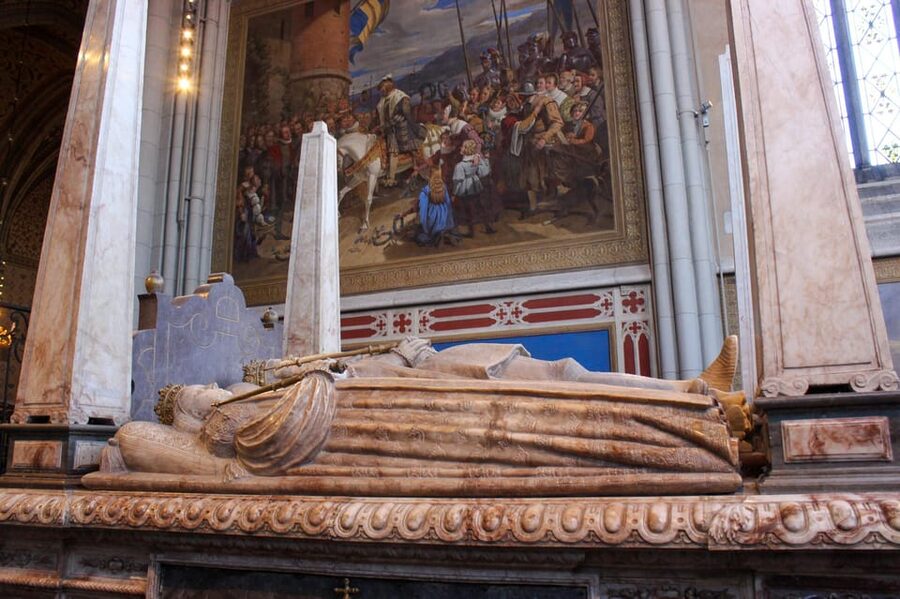
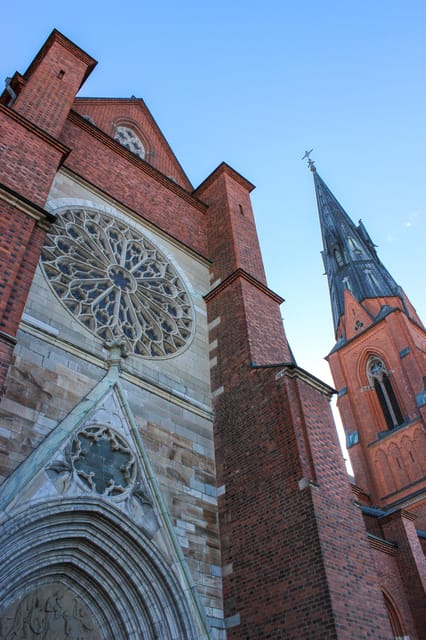
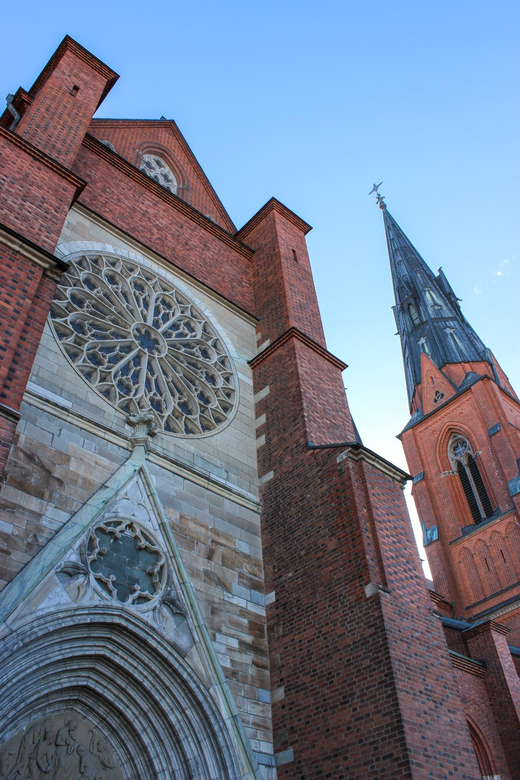
Uppsala Cathedral receives about fifteen minutes on the route, including a visit, a guided explanation, and time for photographs. Entry is included through a donation-based arrangement, so you do not need to purchase a separate ticket for the cathedral as part of this activity.
The building is one of Sweden’s oldest and most important churches. The tour connects it with Gustav Vasa, described as the country’s first king, whose resting place is here. That detail gives the visit more weight than a quick look at another European church.
You will likely get the most from this stop if you listen for the connection between religion and political power. The cathedral is not only a place of worship. It also helps tell the story of how Swedish authority developed and how national figures were remembered.
Fifteen minutes is enough to see the cathedral and hear the main points, but it is not enough for an extensive interior study. If you care about tombs, chapels, art, or architectural details, you may want to return independently after the tour.
The cathedral stop also helps break up the walking. You move from the station area into a more historic part of the city, then continue through a shorter stop at an overlooked location before reaching the gardens.
Carl Linnaeus and the Botanical Gardens
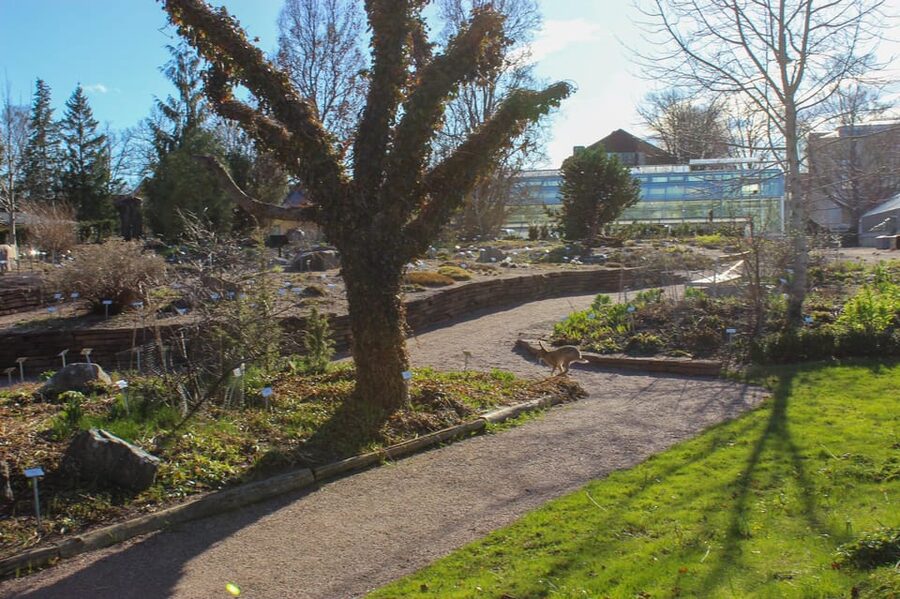
The Botanical Gardens receive the longest single visit, about thirty minutes. The route includes a guided walk, photo opportunities, and views along the way. Entry to the garden grounds is included.
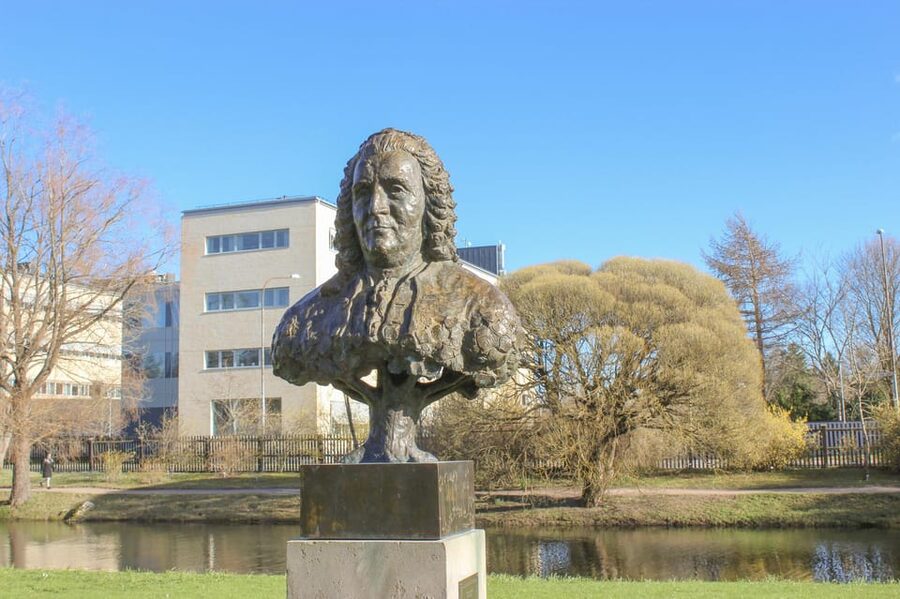
This is where the tour shifts from kings and Vikings to science and plants. Carl Linnaeus, the father of modern species classification, studied and worked in Uppsala. The gardens offer a direct link to his work, since the arrangement and study of plants reflect the kind of careful observation that made his system influential.
I like this stop because it gives the walk a change of pace. You are not moving from one stone building to another. Instead, you have time to notice flowers and garden views while the guide explains why Uppsala mattered to Linnaeus.
Thirty minutes is useful, but keep the scope realistic. You are seeing the grounds as part of a city walk, not taking a full botanical tour. The guide’s explanation will likely give you the main connection between Linnaeus and Uppsala, while your own time in the gardens lets you enjoy the setting.
The gardens are also a good reason to bring sunglasses, a sun hat, and sunscreen. These items are specifically recommended, and much of the route takes place outdoors. Comfortable clothes and shoes are equally important.
Canals, food, and the university quarter
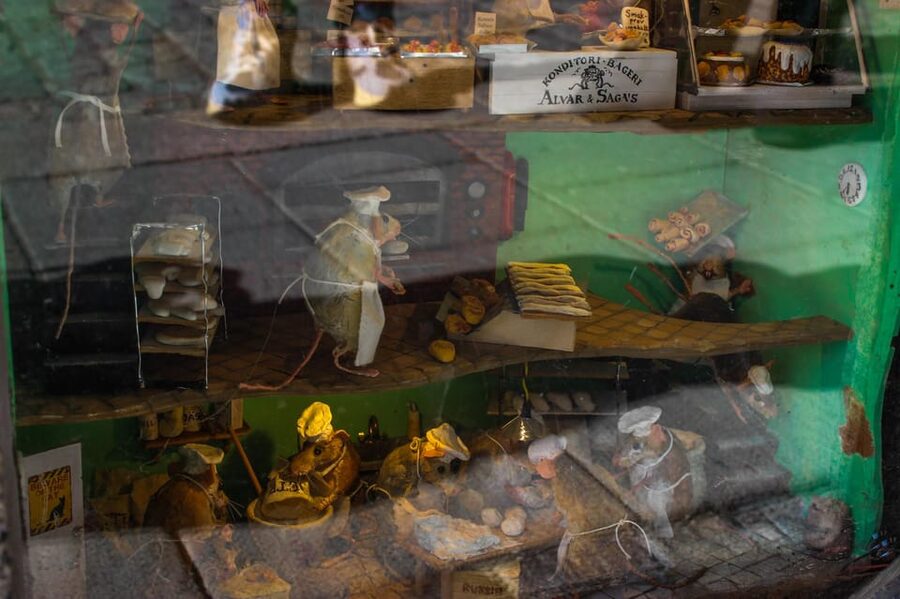
After the Botanical Gardens, the route continues on foot for about fifteen minutes. You then get a fifteen-minute break that includes a visit to a food market. Food and drinks are not included, so carry money if you want to buy something.
This pause matters because a walking tour can feel rushed when every stop is a lecture. A short break gives you time to rest, look around, and experience a little of daily city life. It is not a full meal stop, so do not plan on replacing lunch here.
The route also brings in Swedish student life alongside Uppsala’s canals. This is a valuable part of the walk because the city is not preserved only as a historic display. Its university still shapes the rhythm and identity of the place.
Uppsala University receives about fifteen minutes. You visit, stop for photographs, and hear about one of the world’s oldest universities. The guide also points out scenic views along the way.
The university stop connects naturally with Linnaeus. He studied and practiced here, so the university becomes more than a handsome old institution. It explains why Uppsala has remained important as a center of learning.
The student-life angle adds a modern counterpoint to the Viking and royal material. As you walk near the canals, you can think about the contrast between old stories and a city still shaped by students, research, and academic traditions.
More city tours in Sweden
- Stockholm: City Archipelago Sightseeing Cruise with Guide
★ 4.3 · 10,798 reviews - Stockholm: City Sightseeing Hop-On Hop-Off Bus Tour
★ 3.9 · 682 reviews - Stockholm: Guided City Sightseeing Open Electric Boat Tour
★ 4.8 · 516 reviews - Gothenburg: City Canal Sightseeing Cruise
★ 4.7 · 470 reviews
Uppsala Castle, the pink royal stronghold
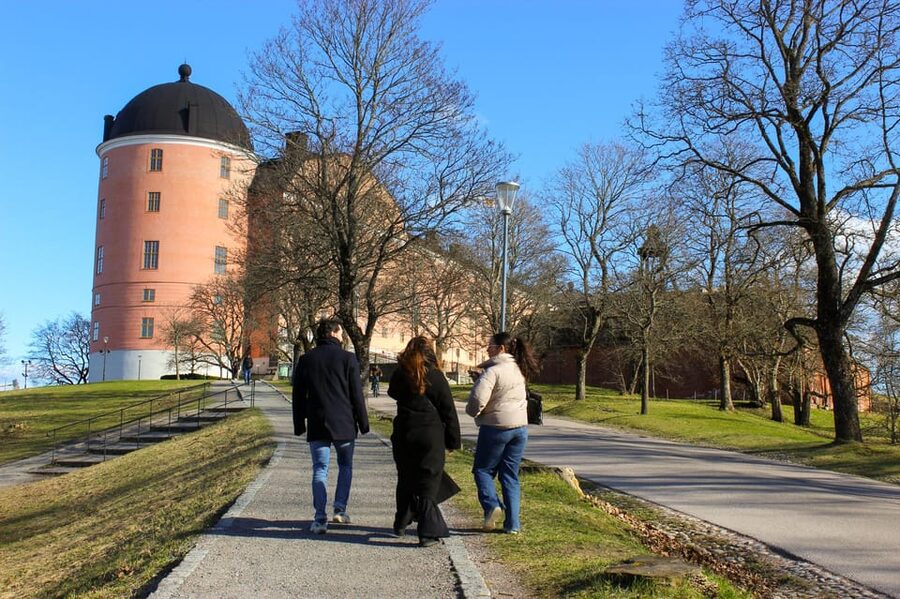
The final major stop is Uppsala Castle, with about fifteen minutes for a visit, photographs, guided information, and views along the route. It is described as the world’s largest pink castle, a memorable detail that makes it easy to recognize.
The castle also brings military history into the tour. That gives you another way to read Uppsala. The city was not only a religious center or university town. It also had strategic and royal importance.
Gustav Vasa’s connection appears again here, since the castle is identified as the home of Sweden’s first king. Seeing the castle after the cathedral creates a useful link between royal burial, royal residence, and political power.
The stop is short, so expect an exterior-focused visit unless your guide explains otherwise. The supplied details confirm a castle visit and guided sightseeing, but they do not promise access to every interior room or exhibit. If the castle is your main reason for booking, check the current start information and ask what access is planned.
As a final stop, the castle works well. You finish with a bold visual landmark rather than a minor street corner, and the route has covered religion, science, education, royal power, and military history.
How the private guide changes the experience
This is a private English-language tour, not a large shared group. That difference matters most if you enjoy asking questions or want to adjust the emphasis.
Aria from the United States had a solo walk with Frankie and found that the guide adapted the route and discussion to specific interests and many questions. That is the clearest sign of the private format’s value. If you want to spend more time on Viking evidence, Linnaeus, kings, or university life, you have a better chance of shaping the conversation than you would on a fixed large-group tour.
Franky was also praised for being informative and full of knowledge, while Parwin received similar praise for clear explanations. The strongest pattern is the guide’s role, not one particular stop. Your enjoyment will depend heavily on how well the guide matches the amount of detail you want.
The private setup does not guarantee an academic seminar. The three-out-of-five rating for insufficient Uppsala history shows that depth can vary from person to person. I would book this for a guided introduction with room for questions, not as a specialist history course.
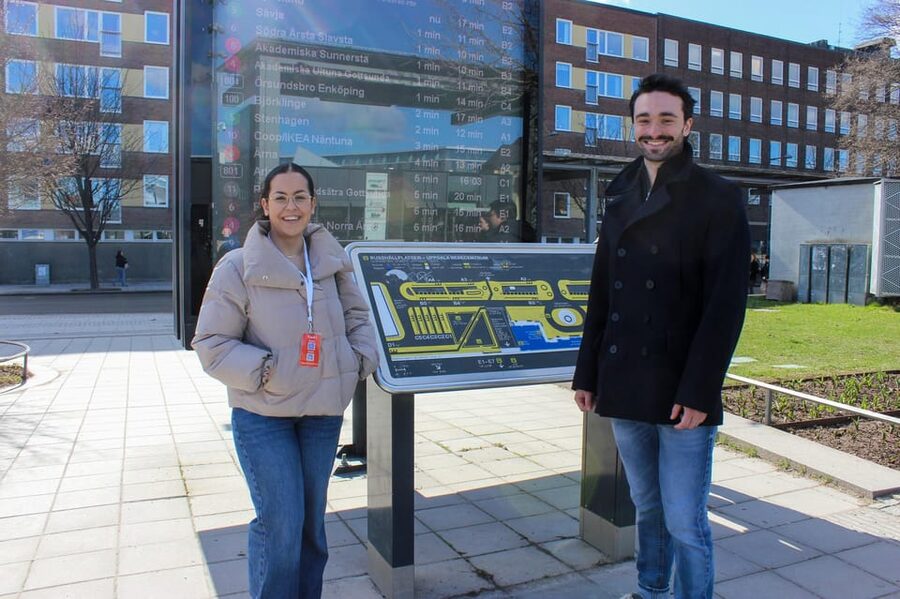
You meet the guide directly outside Uppsala Central Station’s main exit, by the fountain roundabout in front of the B2 bus stop. Look for an orange name tag and orange hat marked Xperience Stockholm. The guide waits near the park benches by the bus stops, in front of the station parking lot. Arrive five to ten minutes early so you are not searching after the walk has started.
Is $142 per person a fair price?
At $142 per person, this is not a bargain sightseeing stroll. The price makes more sense when you use the private format. You are paying for an English-speaking guide, a tailored conversation, cathedral entry through a donation-based arrangement, and access to the Botanical Gardens’ grounds.
The value also depends on the size of your booking. A private tour for one person will feel expensive. For two or more people sharing the experience, the personal guidance may make the cost easier to justify, especially if you care about history and do not want to plan the route yourself.
You should compare the price with your own habits. If you normally read about a city in advance and enjoy following a map alone, you may prefer independent sightseeing. If you want the major sights explained in a compact morning or afternoon, the cost buys convenience and context.
The 2.5-hour length is another factor. It is long enough to cover the cathedral, gardens, university, castle, food market, canals, and several shorter stops without taking an entire day. It is short enough to fit into a wider Uppsala visit.
Free cancellation up to 24 hours before the start and reserve-now, pay-later booking add flexibility. Starting times vary, so you need to check availability for your date.
Who will get the most from this walk?
I would choose this tour if you are visiting Uppsala for the first time and want the city’s main themes explained in one outing. It suits people who like history but also want gardens, university life, architecture, and time for photographs.
It is especially useful for anyone coming from Stockholm and trying to understand why Uppsala matters. The city’s age, Viking connections, royal associations, and university traditions can be difficult to organize on your own during a short visit.
The walk also suits curious solo visitors. A private guide can respond to your questions rather than delivering only a fixed speech. Aria’s solo tour with Frankie shows how well this format can work for one person with very specific interests.
You should reconsider it if you have a low level of fitness. The activity involves repeated walking between stops for two and a half hours, and it is not suitable for people over 95. Electric wheelchairs are not accepted, and bikes are not allowed.
Bring comfortable shoes, comfortable clothes, sunglasses, a sun hat, sunscreen, and a charged smartphone. Flash photography, alcohol, and drugs are not allowed.
Should you book Uppsala City Highlights and Hidden Gems?
Book it if you want a short, private introduction to Uppsala with a guide who can connect Viking archaeology, Gustav Vasa, Carl Linnaeus, university life, and the city’s canals. The cathedral, gardens, and pink castle give the route plenty of variety, and the guide’s ability to adapt is a real advantage.
Think twice if $142 per person feels high for a 2.5-hour walk or if you want detailed historical scholarship at every stop. One rating specifically called for more history, and the time at each major sight is limited.
My call: this is a good choice for a first visit, especially when two or more people share the private booking and you value personal explanations. It is less appealing for independent sightseers who mainly want entry to the cathedral and gardens without a guide.
FAQ
Where does the Uppsala walking tour meet?
Meet directly outside Uppsala Central Station’s main exit, at the fountain roundabout in front of the B2 bus stop. The guide waits near the park benches by the bus stops, in front of the station parking lot.
How will I recognize the guide?
The guide will wear an orange name tag and an orange hat with Xperience Stockholm written on it.
How long does the tour last?
The walking tour lasts 2.5 hours.
Is the tour private?
Yes. The activity is offered as a private group tour.
What language is the tour in?
The live tour guide speaks English.
Is entry to Uppsala Cathedral included?
Yes. Entry to Uppsala Cathedral is included through a donation-based arrangement.
Is entry to the Botanical Gardens included?
Yes. Entry to the Botanical Gardens’ grounds is included.
Are food and drinks included?
No. Food and drinks are not included, though the route includes a fifteen-minute break and a food market visit.
What happens if I need to cancel?
You can cancel up to 24 hours in advance for a full refund. You can also reserve now and pay later, subject to the booking terms.
Just added around Sweden
- Beautiful Stockholm Small Group Walking Tour★ 5.0 · 3 reviews
- Kiruna: Cross-Country Skiing Tour with a Guide★ 5.0 · 3 reviews
- Arlanda Express Train Airport and Stockholm City Transfer★ 5.0 · 3 reviews
- Gothenburg: Private Walking Tour with a Guide★ 3.6 · 3 reviews
- Karlskrona Self Guided Sherlock Holmes Murder Mystery Game★ 4.0 · 3 reviews
- Private Golden Hour Photo Walk in Stockholm★ 5.0 · 3 reviews
- Half Day Guided Walk with Huskies★ 5.0 · 3 reviews
- ROYAL Castle Skokloster and Viking Sigtuna (private tour)★ 4.5 · 3 reviews
Uppsala Tours, compared.
Stockholm Viking History Full Day Tour to Sigtuna + Uppsala
Read our review →

Best of Uppsala: Private Walking Tour with a Local
Read our review →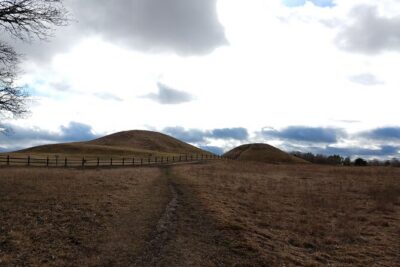
Guided tour 90min at Old Uppsala mounds and old Uppsala church
Read our review →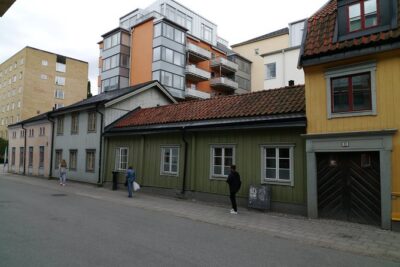
Uppsala bloody history 1h- racial biology, 18th century plague, 19th century prostitution etc.
Read our review →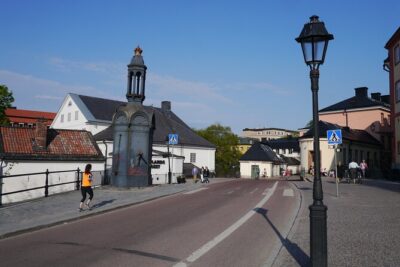
Uppsala Must See 2h city walk – 2h tour of all big attractions!
Read our review →
Browse the lists this tour appears in