
Reviewed · GOTHENBURG TOURS
Best of Gothenburg: Private Walking Tour with a Local
Gothenburg’s appeal is easiest to grasp on foot, one neighborhood at a time. This private tour lets you set the pace while a local guide connects the city’s maritime past with its cafés, wooden houses, design shops, parks, and everyday life. Guides have included Omer, Veronica, and Sara, and the experience is built around conversation rather than a fixed script.
I like the private format, since you are not tied to a large group or a one-size-fits-all route. I also like the chance to ask for food advice, quiet corners, or help getting your bearings early in a visit. The main consideration is that your guide is a friendly resident, not a certified professional guide, so this is better for local color and practical tips than for a detailed history lecture.
Key points to know before booking

- Choose your own focus: Spend one to six hours on neighborhoods, food, canals, parks, shopping, or general orientation.
- Start at Kungsportsplatsen: This central meeting point is useful for reaching several parts of Gothenburg on foot.
- See Haga’s wooden streets: The 19th-century houses, cafés, and small shops offer one of the city’s most pleasant walks.
- Ask about food: Your guide can point you toward Swedish dishes, seafood, cafés, and local places to try later.
- Keep extra money for stops: Food, drinks, transport, paid attractions, souvenirs, and the guide’s admission fee are not included.
- Expect a relaxed local introduction: The focus is culture and daily life, not a formal, detailed account of every historical event.
Why a private Gothenburg walk can be worth $49

The price is $49 per person, with the duration set between one and six hours depending on the option and availability you choose. That range matters. A short session can work as a quick orientation on arrival, while a longer walk gives you time to combine central Gothenburg with Haga, the waterfront, a park, or Magasinsgatan.
The value comes less from admission tickets and more from personal attention. You are paying for a private experience, a flexible route, and the chance to ask questions as you go. If you want a polished lecture with extensive dates and architectural detail, this may not be the best use of your money. If you want help deciding where to eat, what to see next, and how the city fits together, the price is easier to justify.
You should also budget for anything you buy. Food and drinks are extra, as are buses, trains, taxis, paid sights, and personal purchases. If your route includes a ticketed attraction, you must also cover the guide’s entry cost. That is optional, but it is worth remembering before you agree to add an indoor stop.
More Walking Tours in Gothenburg
- Gothenburg: Haga Old Town Walking Tour
★ 4.5 · 205 reviews - Gothenburg Private Walking Tour with a Local
★ 4.0 · 36 reviews - Make Your Own Tour – Guided Walking Tour
★ 4.5 · 32 reviews
Starting at Kungsportsplatsen
The tour begins at Kungsportsplatsen, a central city meeting point. This gives you a practical starting line for a walk through Gothenburg’s core and makes it easier to shape the first part of the route around your interests.
Tell your guide what you want from the opening minutes. You might want a broad introduction to the city, advice on Swedish food, help finding your way around, or a route focused on design and shopping. Since the tour is private, you can ask for a slower pace or spend more time on a place that catches your attention.
One useful feature is the direct local contact. A guide can explain where to return for a meal, which areas suit a relaxed evening, and which sights make sense to combine. This is especially useful if you have only a short stay and do not want to spend your first day working out the city on your own.
The meeting point is central, but the tour is still a walking experience. Wear comfortable shoes and arrive on time. If you need special arrangements or accommodations, give at least three days’ notice.
Haga’s wooden houses and café stops
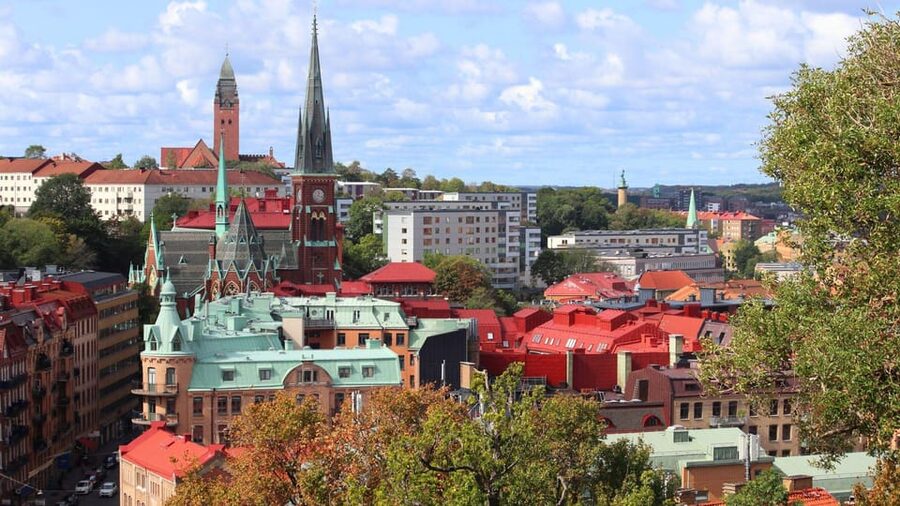
Haga is likely to be one of the most rewarding parts of the walk. Its 19th-century wooden houses give the neighborhood a distinct look, with narrow streets, cafés, and small boutiques creating a slower mood than the main city center.
I like Haga for the way it gives you a feel for Gothenburg beyond major landmarks. You can look at the old buildings, browse local shops, and pause for a coffee without needing a formal sightseeing plan. The neighborhood also gives your guide plenty of room to explain how local life, food, and design fit together.
The tradeoff is that Haga’s appeal depends on having time to wander. If you choose only a one-hour tour, you may get a brief taste rather than a relaxed visit. A longer booking is more useful if you want to stop at a café or browse shops instead of simply passing through.
Food is not included, so any coffee, pastry, or meal comes from your own budget. That is not a flaw, but it does mean you should tell the guide in advance if eating is part of your plan. Sara, one of the guides named in the feedback, has been particularly useful to people looking for food suggestions, including a list of places to try after the walk.
Feskekôrka and Gothenburg’s seafood side
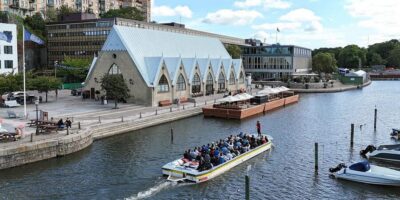
Feskekôrka is one of the city’s most unusual food stops. The name means fish church, and the building’s distinctive form reflects Gothenburg’s close connection with the sea. Here you can see a local fish market setting and, if you choose, buy fresh seafood.
This stop works well for anyone who wants the city explained through food rather than monuments. Gothenburg is a port, and seafood gives that maritime identity a practical, tasty expression. Your guide can also help you understand what to look for and suggest traditional Swedish dishes elsewhere in the city.
Keep in mind that the experience does not include tasting or a meal. You pay for whatever you choose to purchase. If you are not interested in seafood, ask your guide to spend more time on another part of the route, since the itinerary is meant to bend around your preferences.
Feskekôrka may also be more enjoyable as a short stop than as the sole purpose of the tour. Pair it with a canal walk, Haga, or a food-focused conversation so the visit feels connected to the rest of Gothenburg.
Something quite different in Gothenburg:
- Gothenburg: Archipelago cruise with guide
★ 4.3 · 1,002 reviews - Gothenburg: City Canal Sightseeing Cruise
★ 4.7 · 470 reviews - Gothenburg: Go City All-Inclusive Pass with 20+ Attractions
★ 3.8 · 222 reviews - Gothenburg: City Sightseeing Hop-On Hop-Off Bus Tour
★ 3.8 · 206 reviews
Canals, waterfront views, and the city’s maritime character
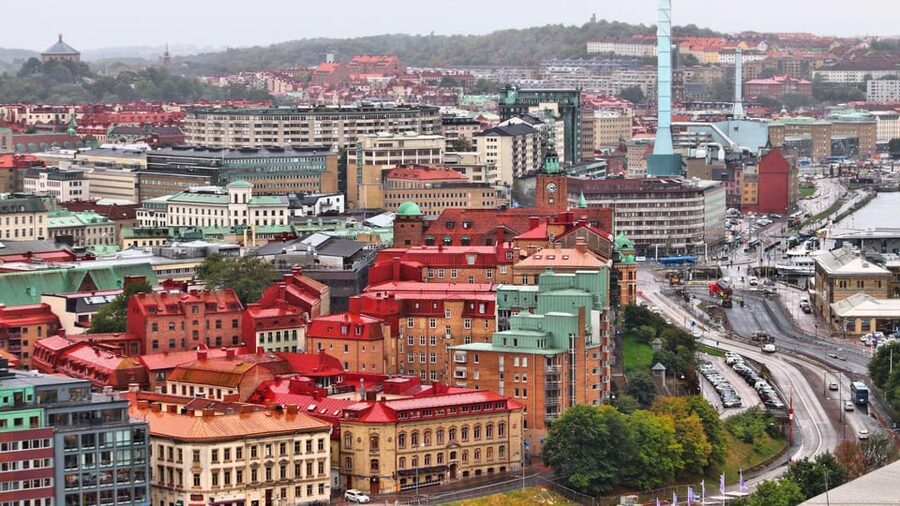
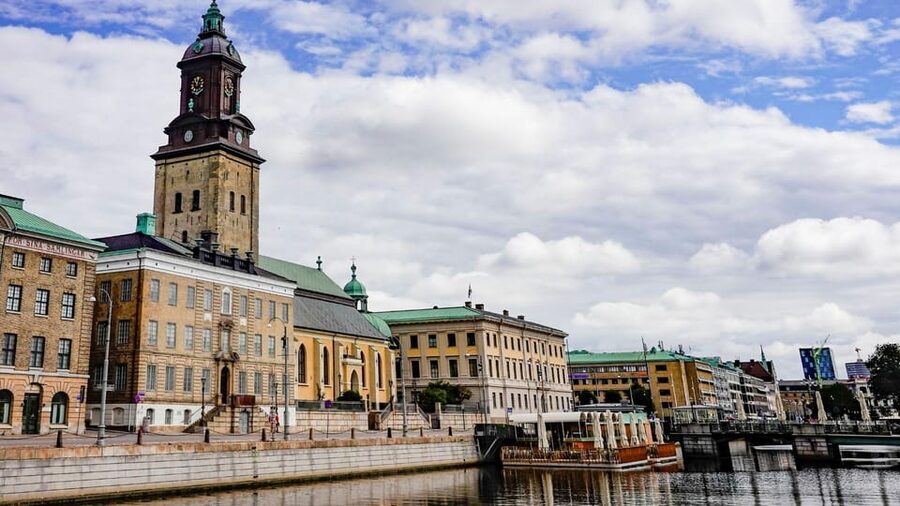
The canals and waterfront help explain Gothenburg’s atmosphere better than a list of dates can. Old sailing ships and modern boats share the scene, giving you a clear sense of a working port that has also become a pleasant place to walk.
This is a good part of the tour for photography, orientation, and simple conversation. You can ask how the waterfront connects with the city center, what maritime sights are worth revisiting, or where to spend time if you enjoy boats and open views.
Weather will affect this section more than an indoor visit. One January tour continued despite poor conditions, and Omer was praised for taking time to explain the sights. That suggests the guide can keep the experience useful in less-than-perfect weather, but you should still dress for a Scandinavian walk and wear shoes with a good grip.
The waterfront is also a place where a private format helps. You can pause for pictures or questions without holding up a large group. If the weather turns unpleasant, ask whether the route can shift toward cafés, shops, or another sheltered stop.
Slottsskogen for a slower stretch

Slottsskogen Park offers a change of rhythm. After central streets, markets, and waterfront views, the park gives you room for a quieter walk and a break from the built-up center.
I would consider this stop if you enjoy parks, need a gentler pace, or want a tour that does not feel like a nonstop checklist. It can also suit families or anyone who prefers open space to dense sightseeing. The tour is wheelchair accessible, although you should discuss the exact route and any requirements ahead of time, especially if you have specific mobility needs.
The park may not be the strongest choice for a very short booking. Getting there and spending enough time to enjoy it takes space in the schedule. On a longer tour, though, it can keep the day from becoming a string of streets and storefronts.
Since transportation is not included, any bus, train, or taxi you decide to use is your responsibility. The description presents the experience as a walking tour, so ask about the planned route if you want to include places that are farther apart.
Magasinsgatan’s food, art, and independent shops
Magasinsgatan brings a more current side of Gothenburg into the picture. Street art, local food, and unusual shops make it a natural choice for people who prefer contemporary city life to formal sightseeing.
This is where I would steer visitors who want ideas for lunch, casual browsing, or design finds. The area can also make a good contrast with Haga. Haga gives you older wooden streets and café culture, while Magasinsgatan offers a more modern, creative mood.
As with Haga, purchases are extra. The value of the stop comes from knowing where to look and having someone explain the area in a personal way. A local guide may help you avoid wandering without purpose, but the exact shops, food stops, and street art you see will depend on the route chosen for your group.
If shopping is your main interest, say so before the tour begins. If food is the priority, ask for recommendations you can use after the tour. Sara’s food suggestions are a useful example of how the guide’s advice can continue to help once the walking time is over.
A local guide, not a formal history lesson

The experience is led in English by a friendly Gothenburg resident. Names connected with past tours include Omer, Veronica, and Sara. Veronica has been praised for explaining the city’s culture and history, while Omer took time with explanations even in poor weather. Those details point to a thoughtful, conversational style.
Still, the tour clearly favors local culture over a full historical course. Your guide can share stories, explain the feel of different areas, and suggest places to eat, but you should not expect the depth or structure of a specialist-led history tour.
That distinction is important when you compare options. Book this if you want to understand how Gothenburg feels and how to use your time there. Choose something else if you need exact architectural dates, museum-level commentary, or a formal academic presentation.
The private setup gives you the best chance to get useful answers. Ask direct questions. Where should I eat Swedish food? Which neighborhood should I revisit at night? What can I skip if I have one day? This is the kind of information the format is designed to provide.
Who will get the most from this tour
This walk suits first-time visitors who want a quick sense of Gothenburg before exploring alone. It also works for couples, families, and small private groups who dislike fixed group schedules.
Food-focused visitors should ask for Feskekôrka, Haga cafés, and local dining advice. Architecture and design fans may prefer a route that balances Haga’s wooden houses with Magasinsgatan’s newer creative side. People who enjoy parks can request Slottsskogen, while anyone interested in port cities should make the canals and waterfront a priority.
It is less suitable for visitors who want every major paid attraction included or who prefer a tightly fixed sightseeing program. You pay separately for entries and transport, and the guide is not a certified professional. The experience works best when you treat it as a flexible introduction rather than a complete city tour.
Children under three join free of charge. The tour is wheelchair accessible, but special requirements should be communicated at least three days ahead. Comfortable shoes remain a smart choice for everyone.
Timing, flexibility, and the weather
The one-to-six-hour duration is both the tour’s strength and its main planning question. One hour is enough to ask for basic orientation and a compact central walk. Several hours give you room for Haga, the market, canals, the waterfront, Slottsskogen, or Magasinsgatan without rushing.
Ask yourself what you want to leave with. If the answer is a short list of good food addresses and a clearer map of the center, a shorter option may be enough. If you want several neighborhoods and time for conversation, choose a longer slot.
Gothenburg weather can change the feel of an outdoor tour. The route can remain worthwhile in poor conditions, but bring suitable clothing and plan for a real walk. If you need a particular pace or shelter breaks, discuss that when arranging the experience.
Cancellation is flexible: you can cancel up to 24 hours before the tour for a full refund. You can also reserve now and pay later, which helps if your schedule is still moving.
Should you book the private Gothenburg walk?
Book it if you want a personal introduction to Gothenburg, practical local advice, and a route that can shift around your interests. The strongest reasons are the private group format, the choice of one to six hours, and the mix of Haga, seafood, canals, parks, and modern food and shopping areas.
Before booking, be clear about your expectations. This is not a formal history seminar, paid attractions are not included, and your guide is a local resident rather than a certified professional. At $49 per person, the value is best when you use the guide for orientation and recommendations, not simply as someone to lead you between landmarks.
I would choose a longer option for a first visit, especially if you want both Haga and Magasinsgatan or hope to include Slottsskogen. Choose a shorter walk if you mainly need a central introduction. Either way, arrive ready to ask questions, wear comfortable shoes, and tell your guide what kind of Gothenburg you want to see.
FAQ
Where does the tour meet?
The meeting point is Kungsportsplatsen in Gothenburg.
How long does the walking tour last?
The duration can be from one to six hours. Starting times and available durations depend on the option you select.
What is included in the experience?
The tour includes a private experience for your group, a flexible itinerary, an English-speaking local resident, personal city tips, and a relaxed walking route.
Are food and drinks included?
No. You pay separately for any food or drinks you choose to purchase during the tour.
Is transportation included?
No. Any bus, train, taxi, or other transport you choose to use costs extra.
Do paid attractions cost extra?
Yes. Admission fees are not included. If you choose to visit a ticketed attraction, you must also pay the guide’s entry cost.
Is the tour available in English?
Yes. The live tour guide language is English.
Is the tour wheelchair accessible?
Yes, the activity is listed as wheelchair accessible. Notify the provider at least three days ahead about special requirements or accommodations.
Just added around Gothenburg
- Gothenburg: Private Walking Tour with a Guide★ 3.6 · 3 reviews
- Explore the Instaworthy Spots of Gothenburg with a Local★ 5.0 · 3 reviews
- Entry Ticket To Gothenburg Museum of art with pickup★ 4.4 · 4 reviews
- Nordens Ark Entry Ticket★ 4.4 · 4 reviews
- Guided Brewery Tour on Bicycle★ 5.0 · 5 reviews
- Gothenburg: Express Walk with a Local in 60 minutes★ 4.8 · 6 reviews
- West Sweden: Sea Kayak Delight in Nature Reserves★ 5.0 · 6 reviews
- Explore Gothenburg in 60 minutes with a Local★ 3.5 · 7 reviews
Gothenburg Tours, compared.
Gothenburg: Go City All-Inclusive Pass with 20+ Attractions
Read our review →


Gothenburg: Paddan Sightseeing Cruise on the River Säveån
Read our review →
Browse the lists this tour appears in